Compare each stone's measurable properties, history, traditional symbolism, and buying guidance.
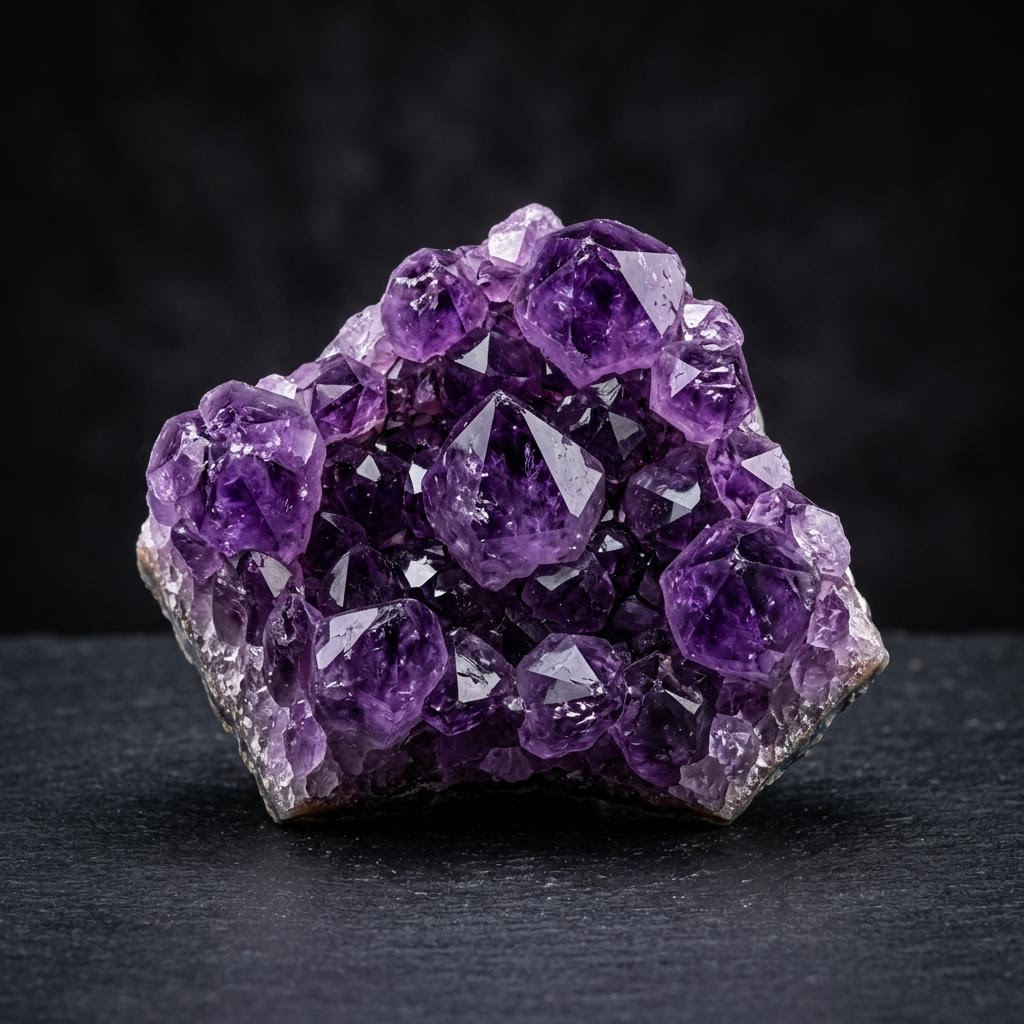
Amethyst
Semi-precious gemstone
A purple variety of quartz ranging from pale lilac to deep, rich purple. Once valued alongside ruby, amethyst is associated with sobriety and calm in historical and modern spiritual traditions—not demonstrated psychological effects.
Mohs hardness: 7
Read the Amethyst profile
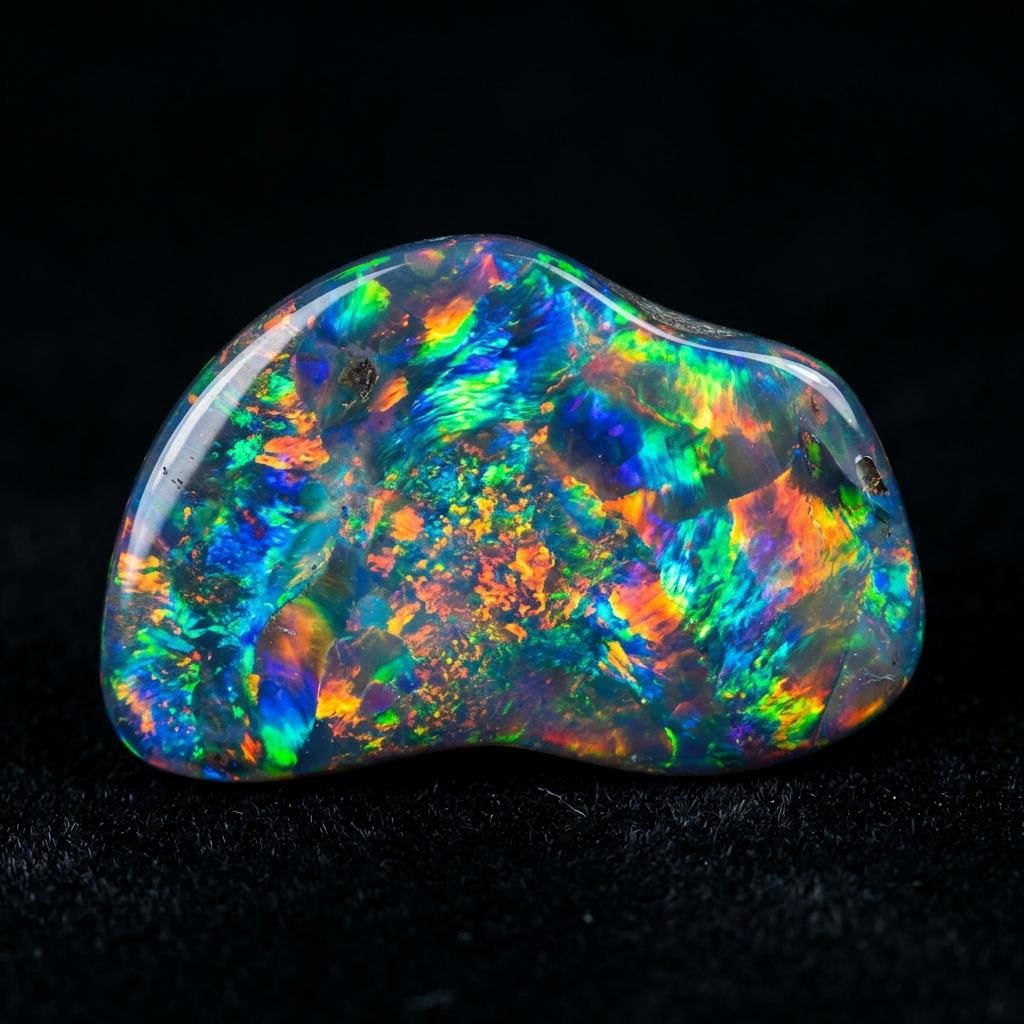
Opal
Semi-precious gemstone
A hydrated amorphous form of silica famous for its 'play-of-color'—flashes of rainbow hues. Requires gentle care due to its water content.
Mohs hardness: 5.5
Read the Opal profile
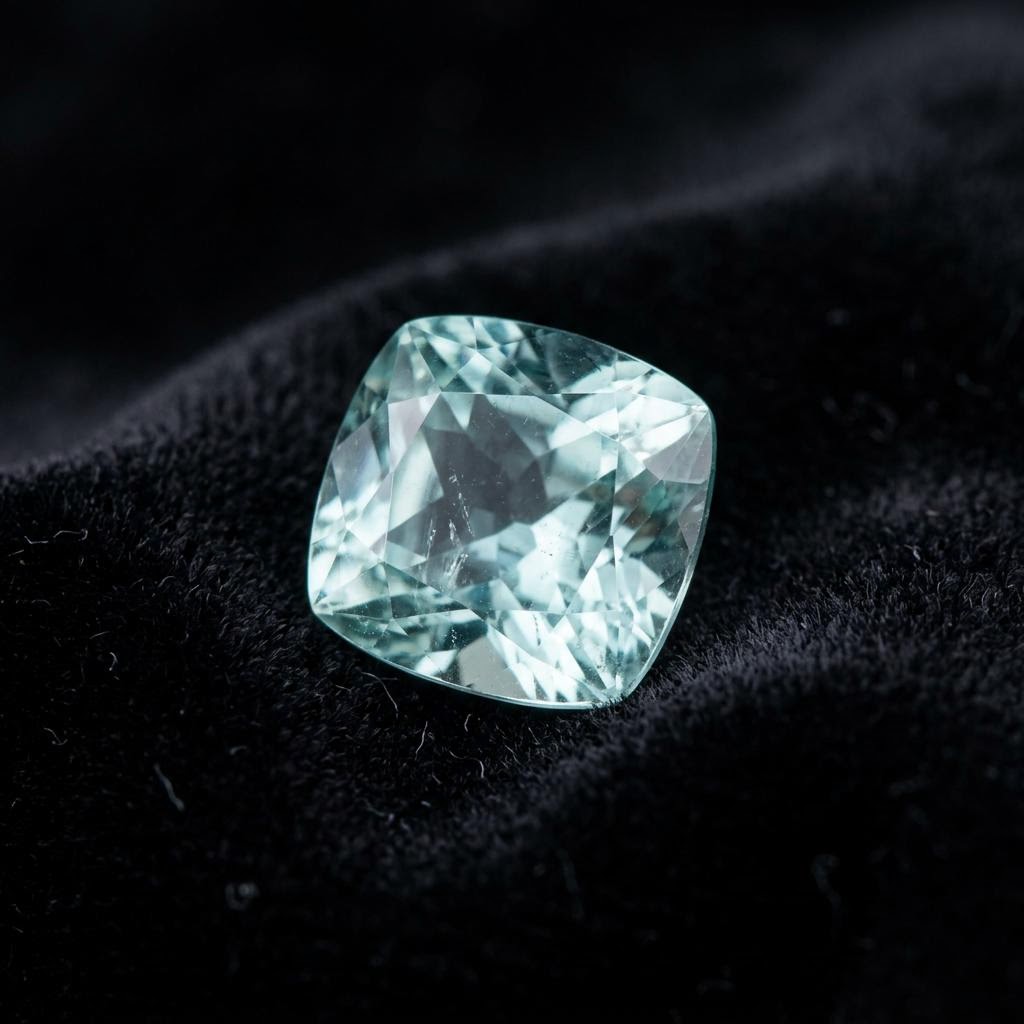
Aquamarine
Semi-precious gemstone
A pale blue to light green variety of beryl. Named after seawater, it's famous for its flawless clarity and tranquil blue hues reminiscent of the ocean.
Mohs hardness: 7.5
Read the Aquamarine profile
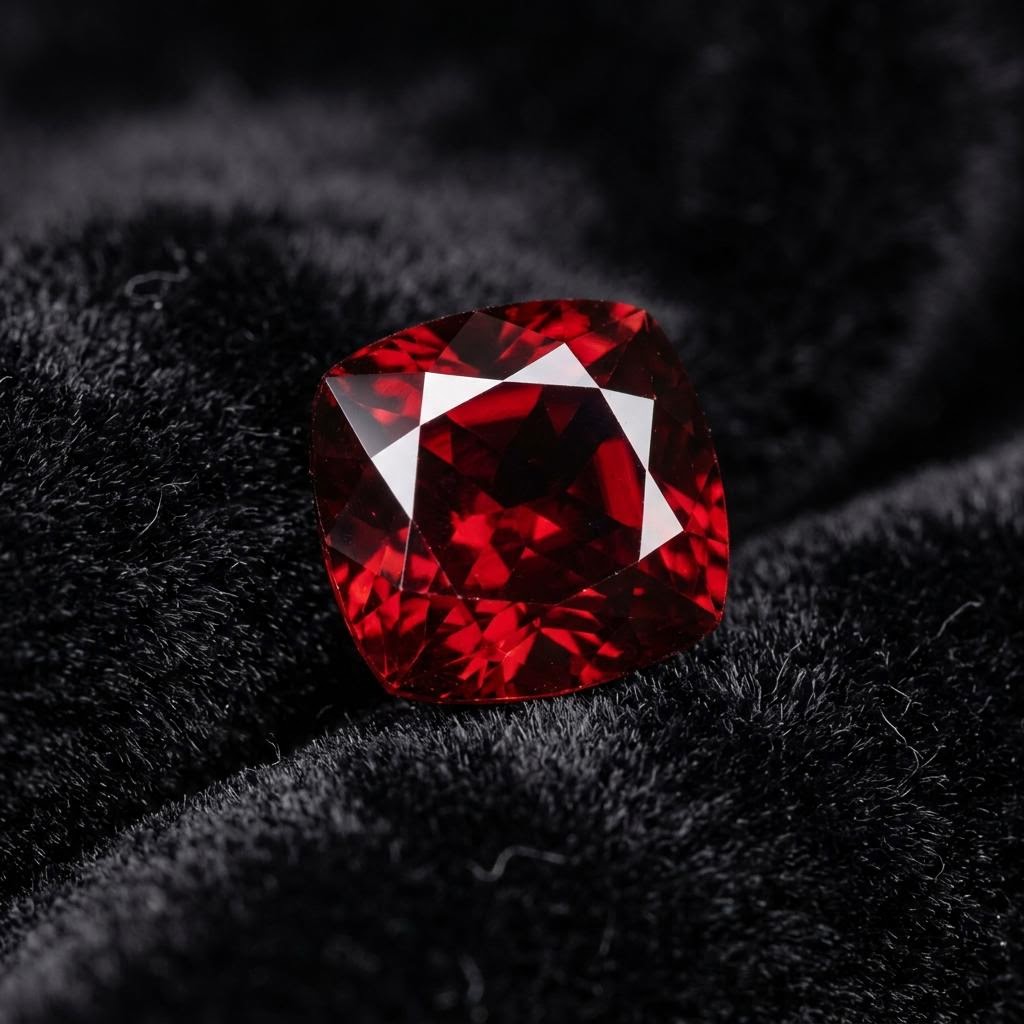
Garnet
Semi-precious gemstone
A group of silicate minerals that come in almost every color, though deep red is most common. Known for high refractive index and brilliance.
Mohs hardness: 6.5
Read the Garnet profile
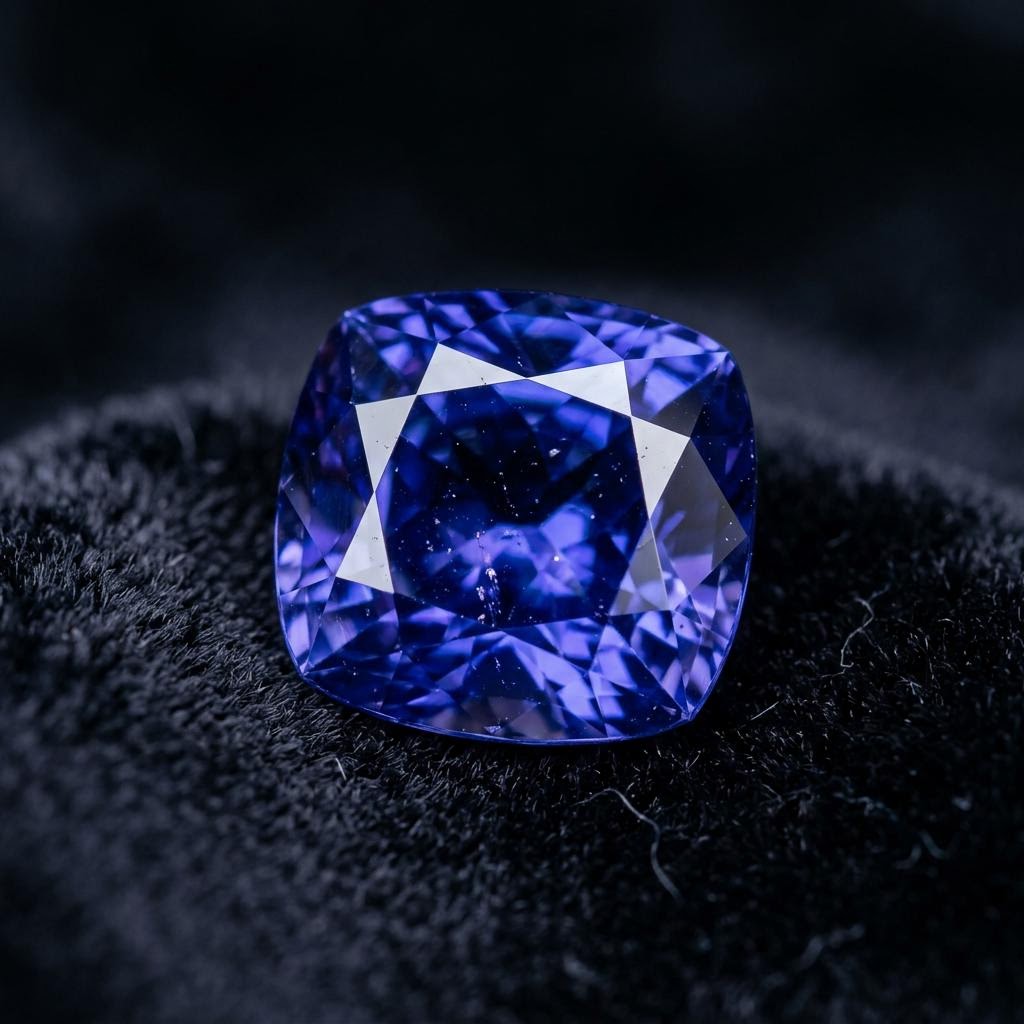
Tanzanite
Semi-precious gemstone
A blue/violet variety of zoisite found only in a small area near Mount Kilimanjaro in Tanzania. Famous for extreme trichroism.
Mohs hardness: 6.5
Read the Tanzanite profile
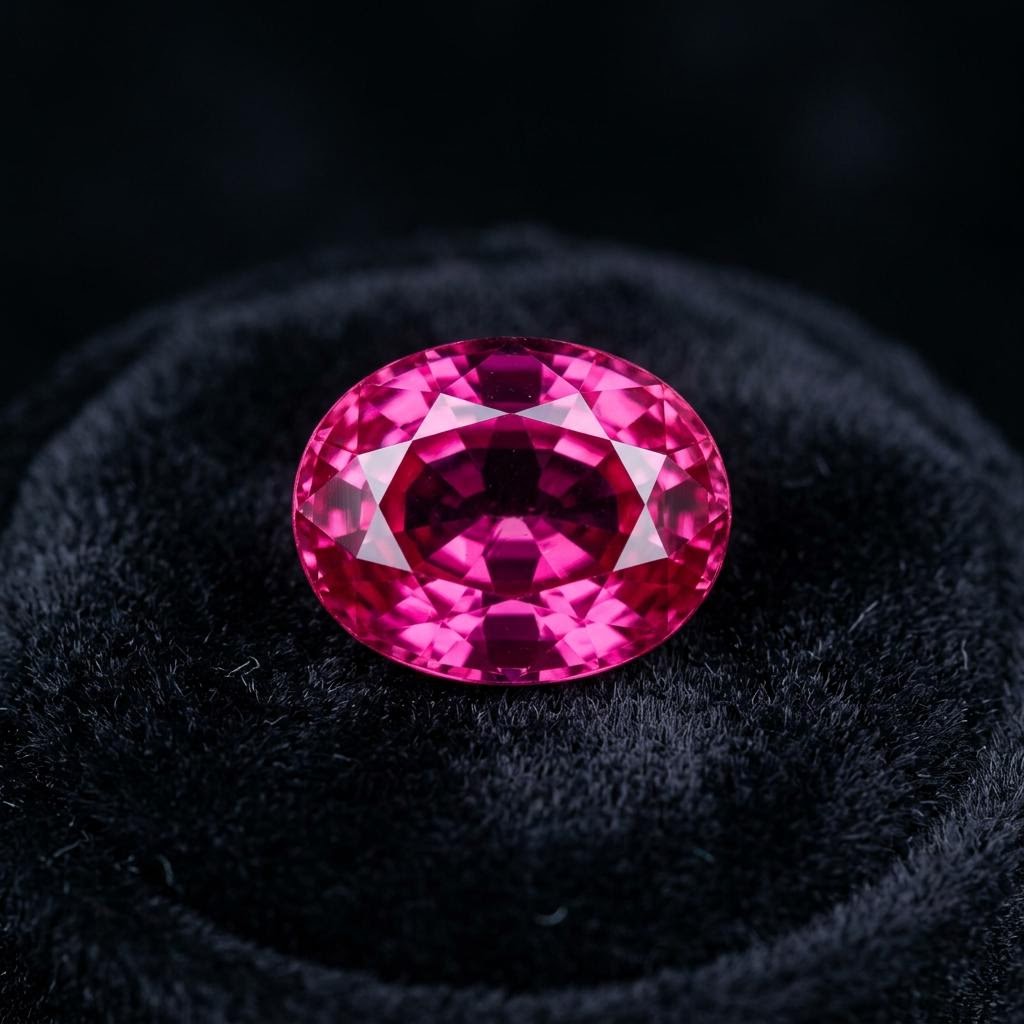
Tourmaline
Semi-precious gemstone
A crystalline boron silicate mineral compounded with elements like aluminium, iron, magnesium. Features one of the widest color ranges of any gem species.
Mohs hardness: 7.5
Read the Tourmaline profile
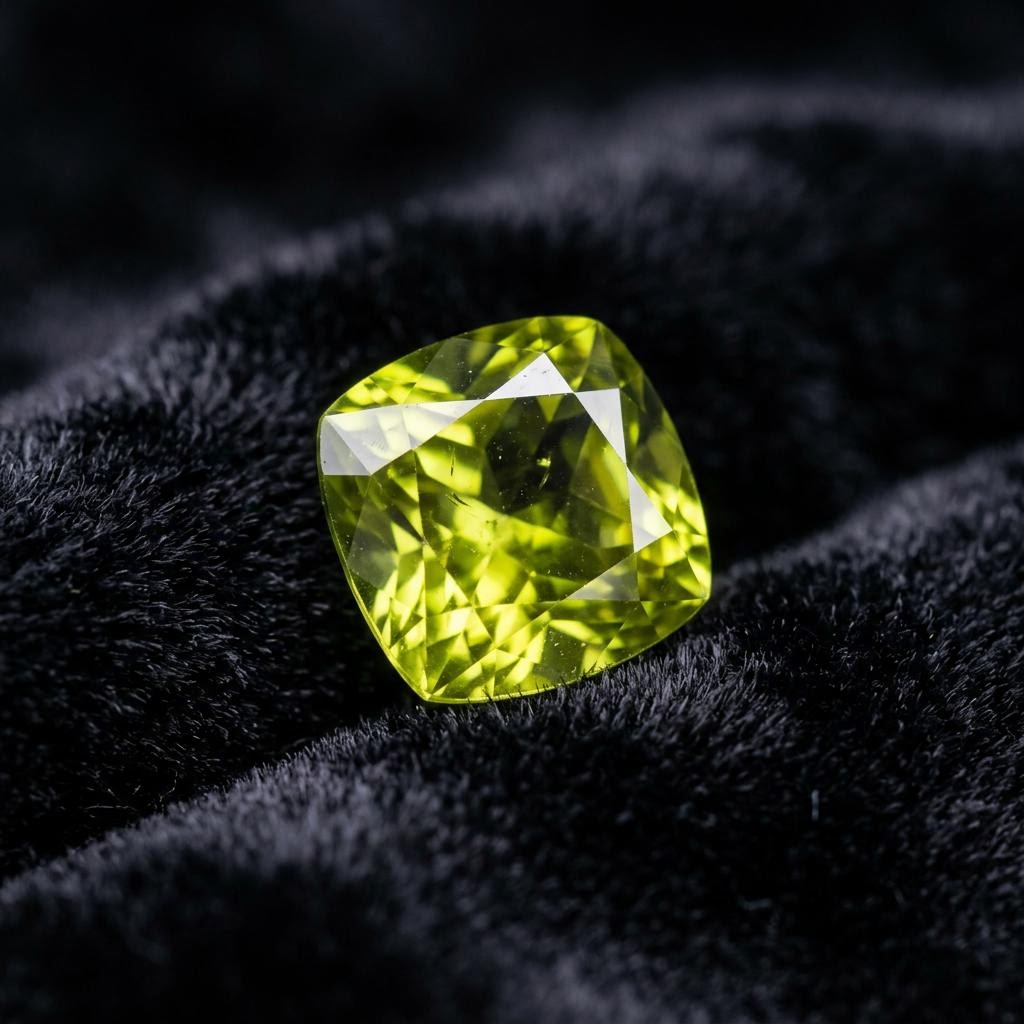
Peridot
Semi-precious gemstone
Peridot is the gem-quality variety of olivine, recognized by its naturally yellowish green to olive color. Unlike many gems, its color comes mainly from iron in the crystal rather than trace impurities.
Mohs hardness: 6.5
Read the Peridot profile
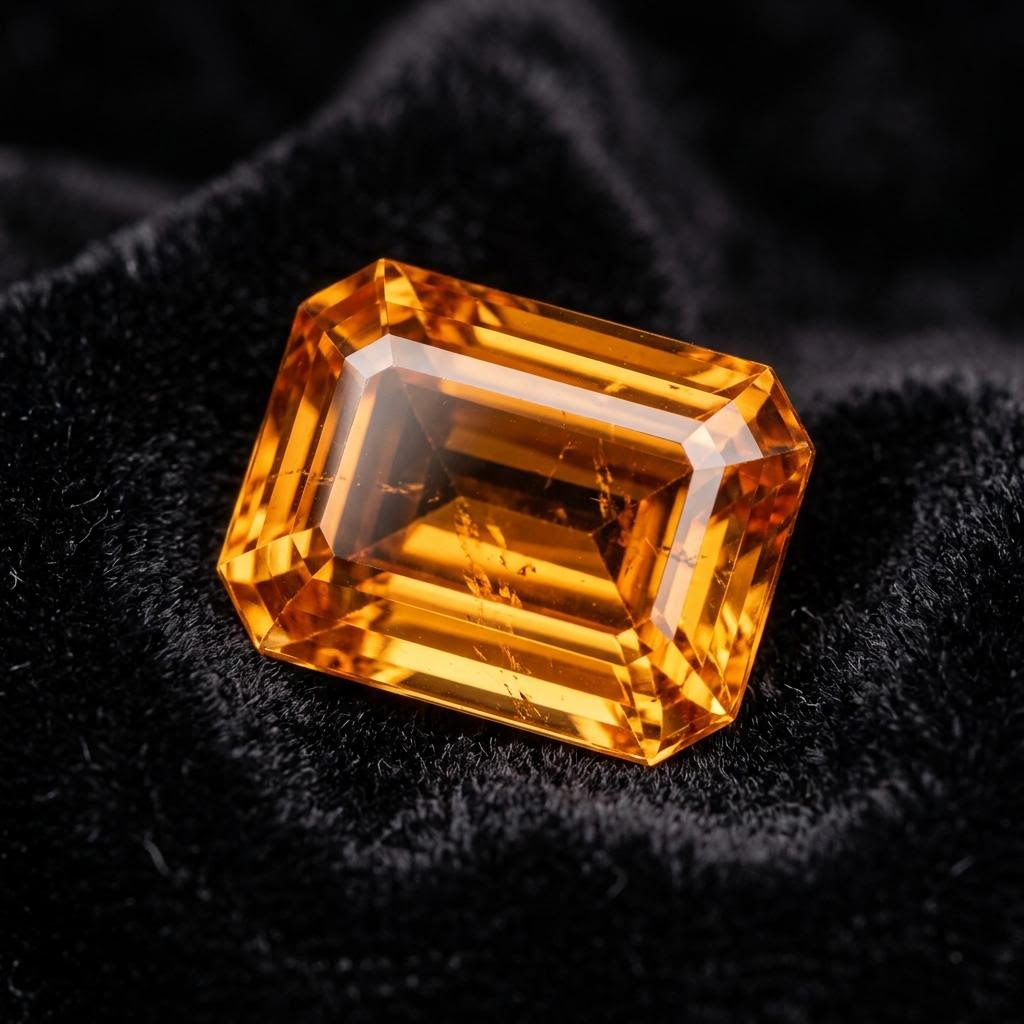
Topaz
Semi-precious gemstone
Topaz is a transparent aluminum fluorine silicate found in colorless, yellow, pink, blue, and other hues. Its strong cleavage makes careful setting and handling important despite its high Mohs hardness.
Mohs hardness: 8
Read the Topaz profile
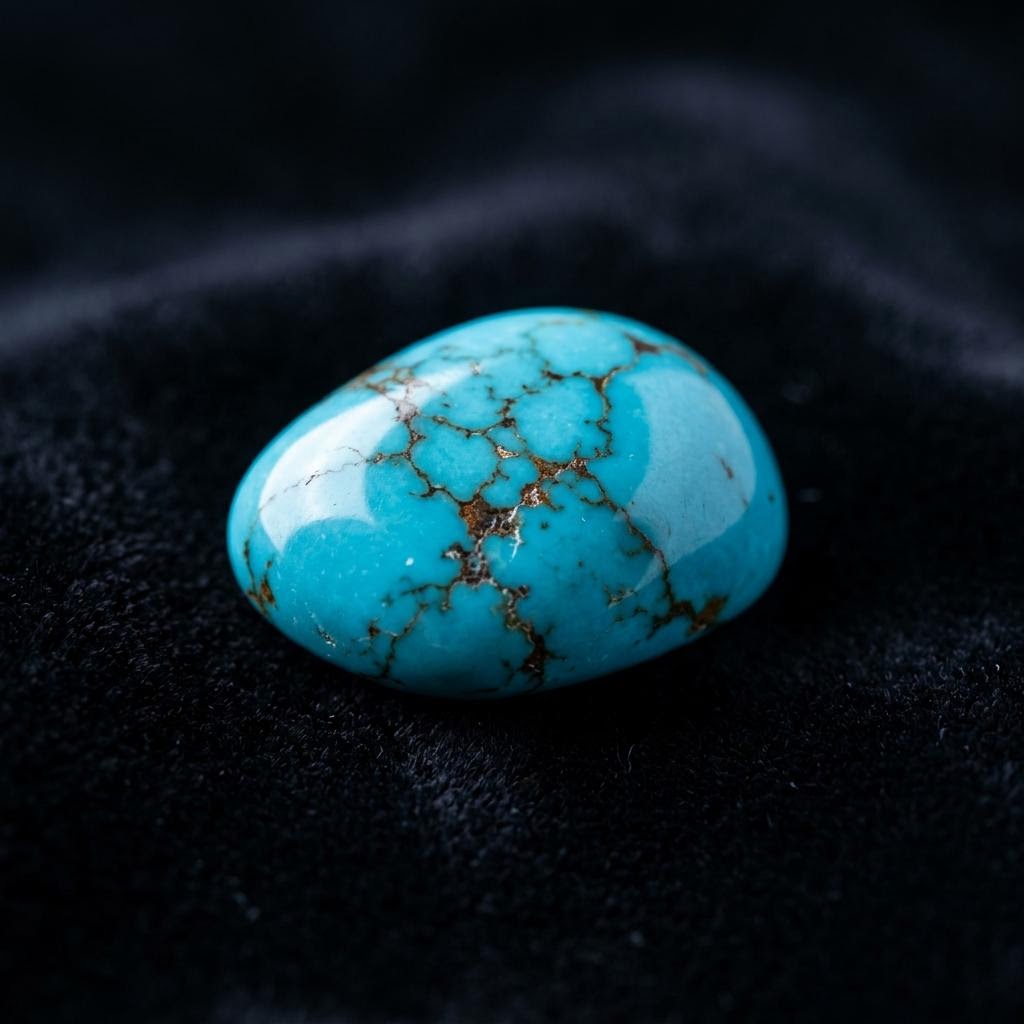
Turquoise
Semi-precious gemstone
Turquoise is an opaque hydrated copper-aluminum phosphate valued for blue to green color and natural matrix patterns. Its porosity and moderate hardness make stabilization and dye disclosure especially important.
Mohs hardness: 5.5
Read the Turquoise profile
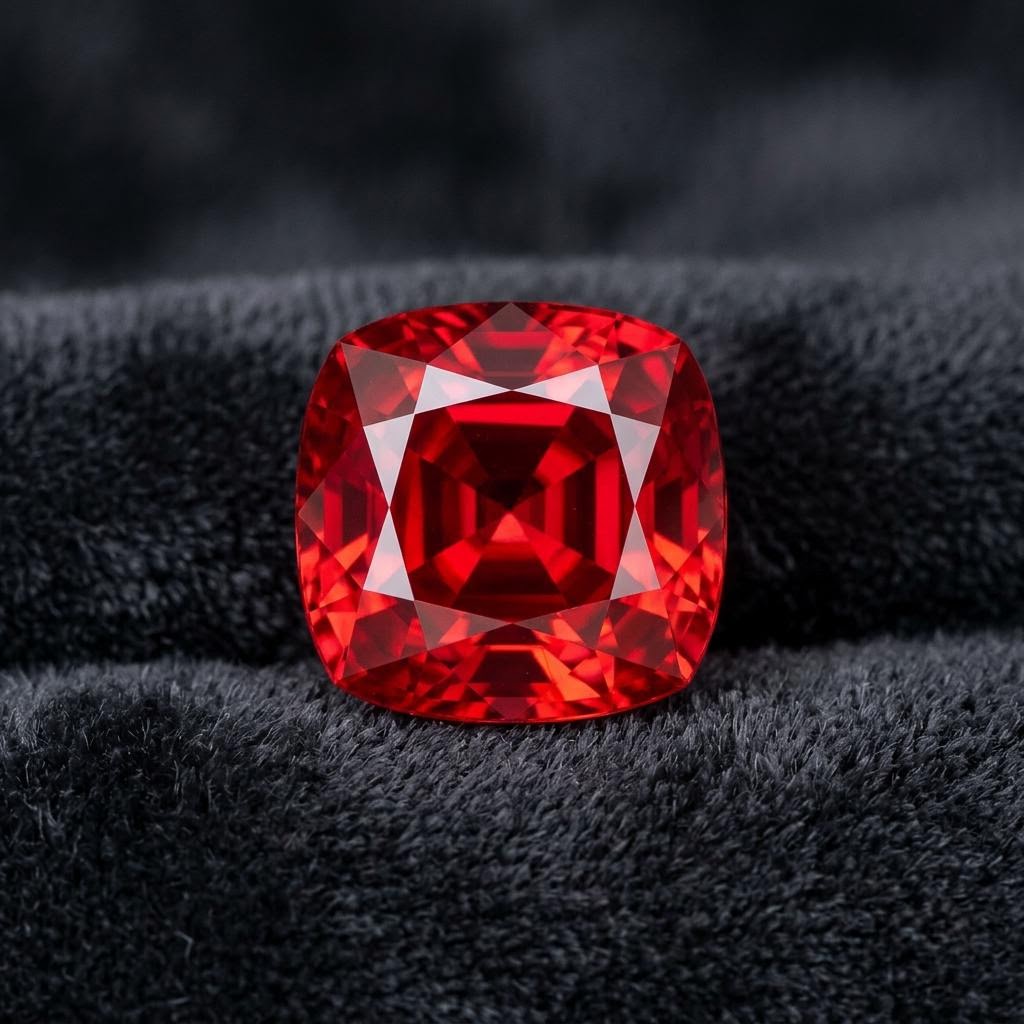
Spinel
Semi-precious gemstone
Spinel is a durable cubic oxide that occurs in vivid red, pink, orange, blue, purple, and black. Fine red spinel was historically identified as ruby in several famous jewels.
Mohs hardness: 8
Read the Spinel profile
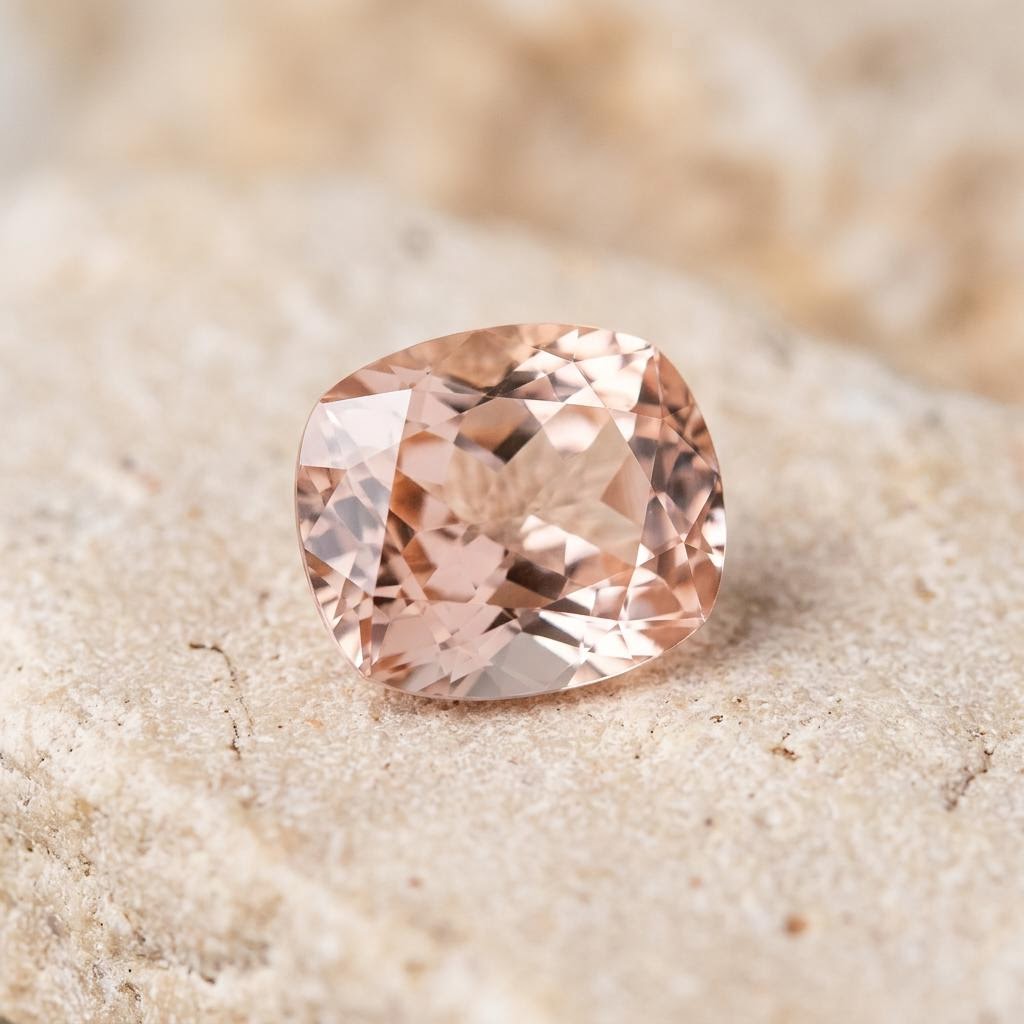
Morganite
Semi-precious gemstone
Morganite is the pink-to-peach variety of beryl, the same mineral family that includes emerald and aquamarine. Manganese produces its delicate color, which can range from pale blush to stronger salmon.
Mohs hardness: 7.5
Read the Morganite profile
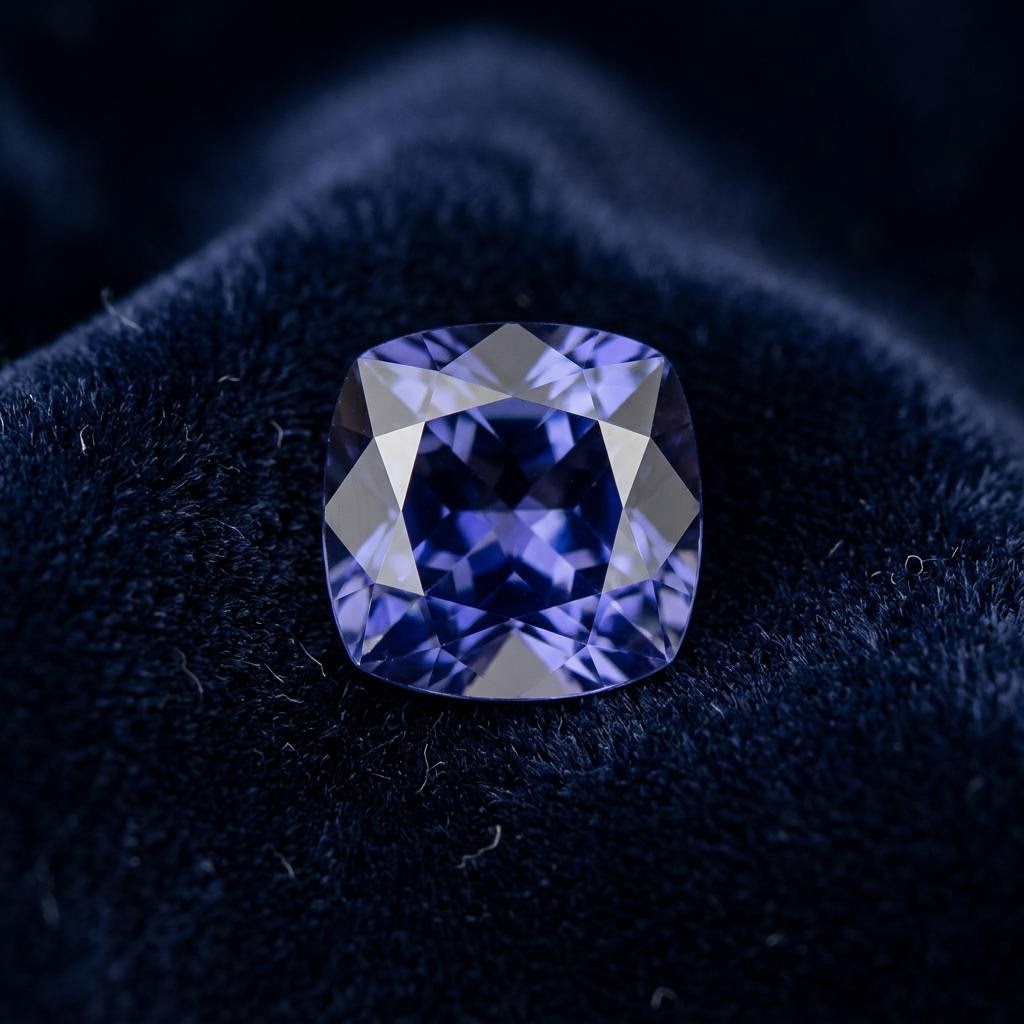
Iolite
Semi-precious gemstone
Iolite is the transparent gem variety of cordierite. Its strong pleochroism can show blue, violet, and pale yellow-gray from different directions, giving cutters an important orientation challenge.
Mohs hardness: 7
Read the Iolite profile
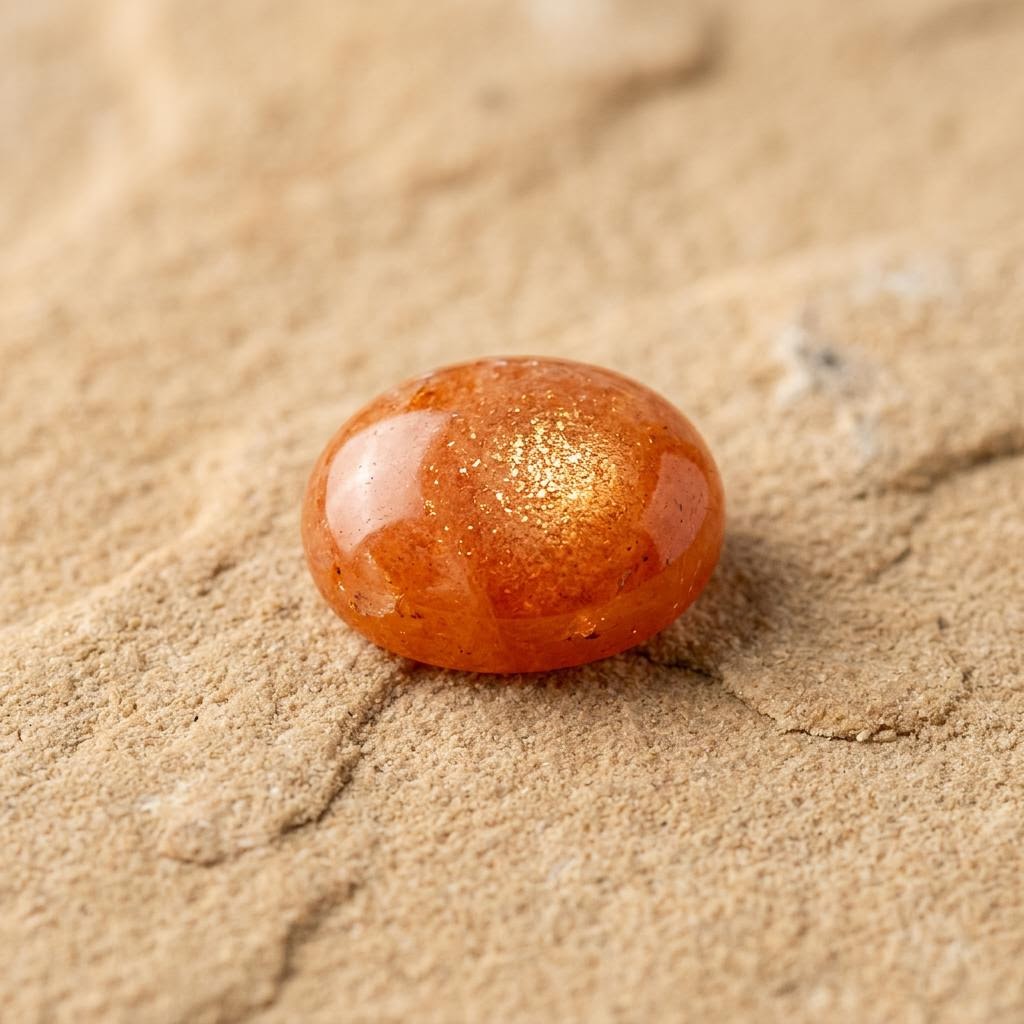
Sunstone
Semi-precious gemstone
Sunstone is a feldspar gem that may display aventurescence, a glittering effect caused by reflective platelets of copper or other minerals. Bodycolor ranges from pale yellow to vivid orange-red.
Mohs hardness: 6.5
Read the Sunstone profile
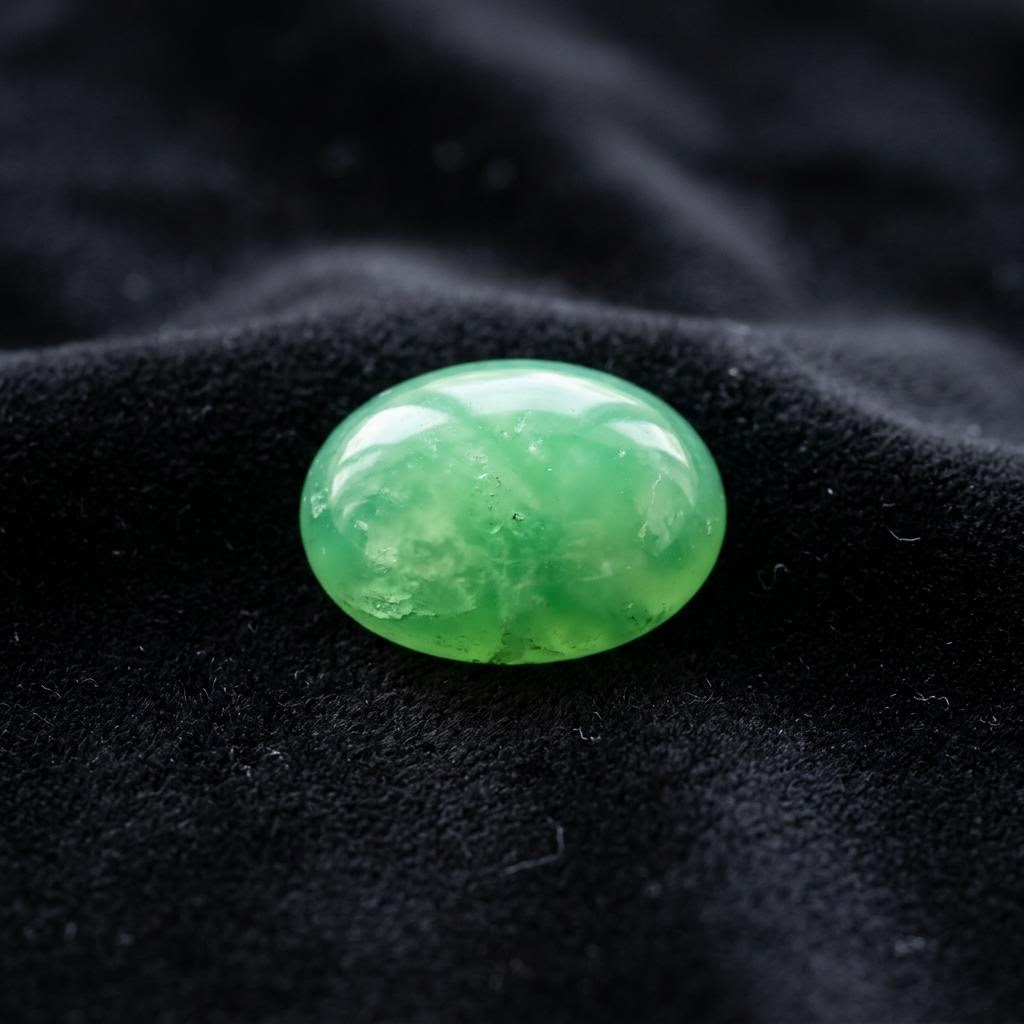
Chrysoprase
Semi-precious gemstone
Chrysoprase is a translucent green variety of chalcedony colored by nickel. Its even apple-green appearance can fade if stored in intense heat or direct light for long periods.
Mohs hardness: 6.5
Read the Chrysoprase profile
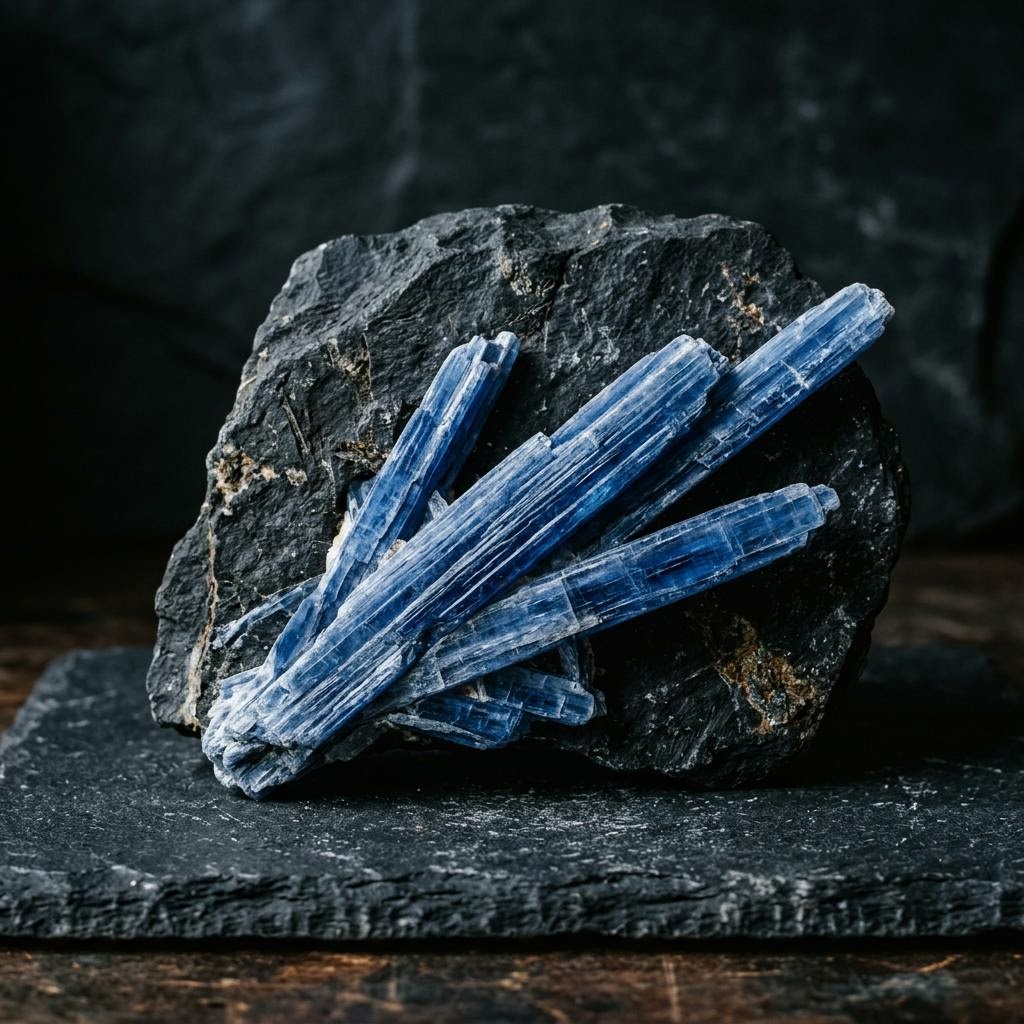
Kyanite
Semi-precious gemstone
Kyanite is an aluminum silicate known for long blue blades and an unusual directional hardness: it measures about 4.5 parallel to the blades and up to 7 across them.
Mohs hardness: 5.5
Read the Kyanite profile
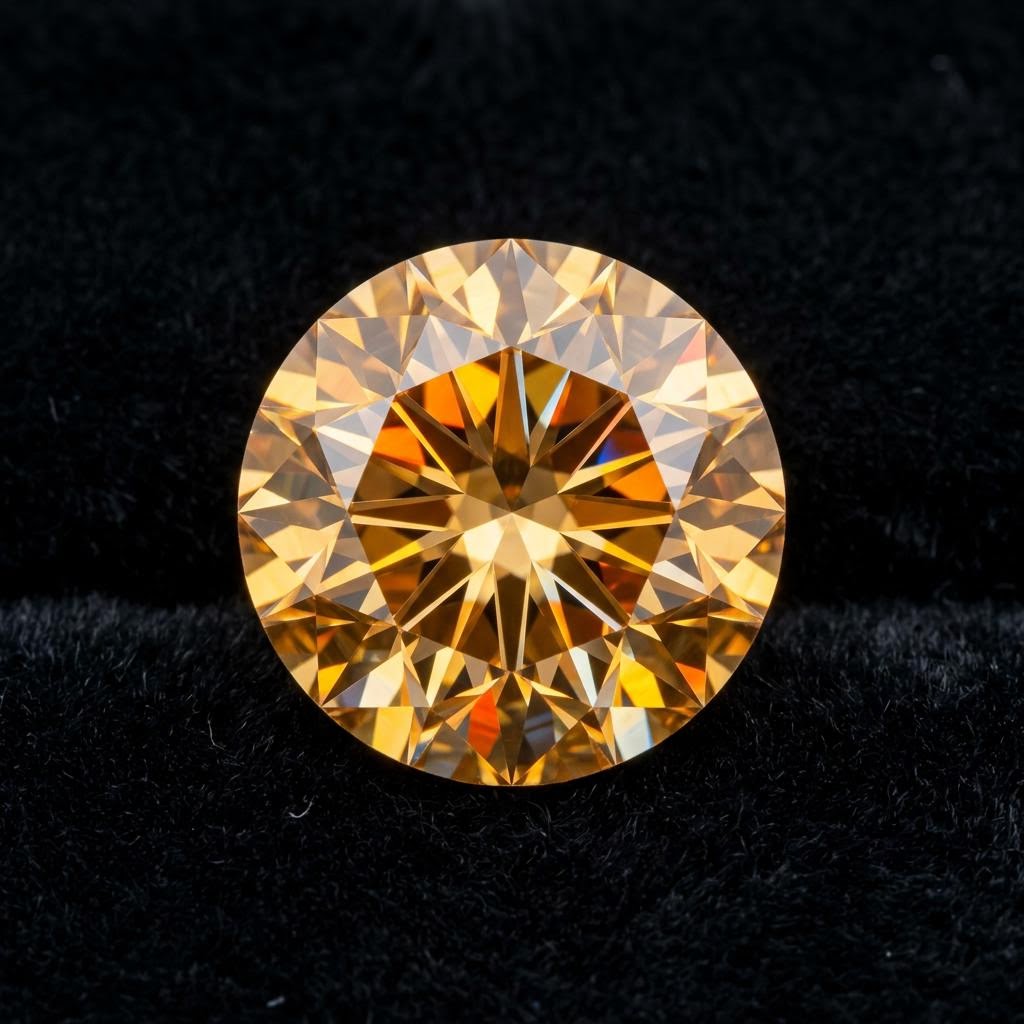
Zircon
Semi-precious gemstone
Zircon is a natural gemstone with high refractive index and strong dispersion, producing impressive fire in well-cut stones. It occurs in colorless, blue, golden, orange, red, and brown varieties.
Mohs hardness: 7.5
Read the Zircon profile
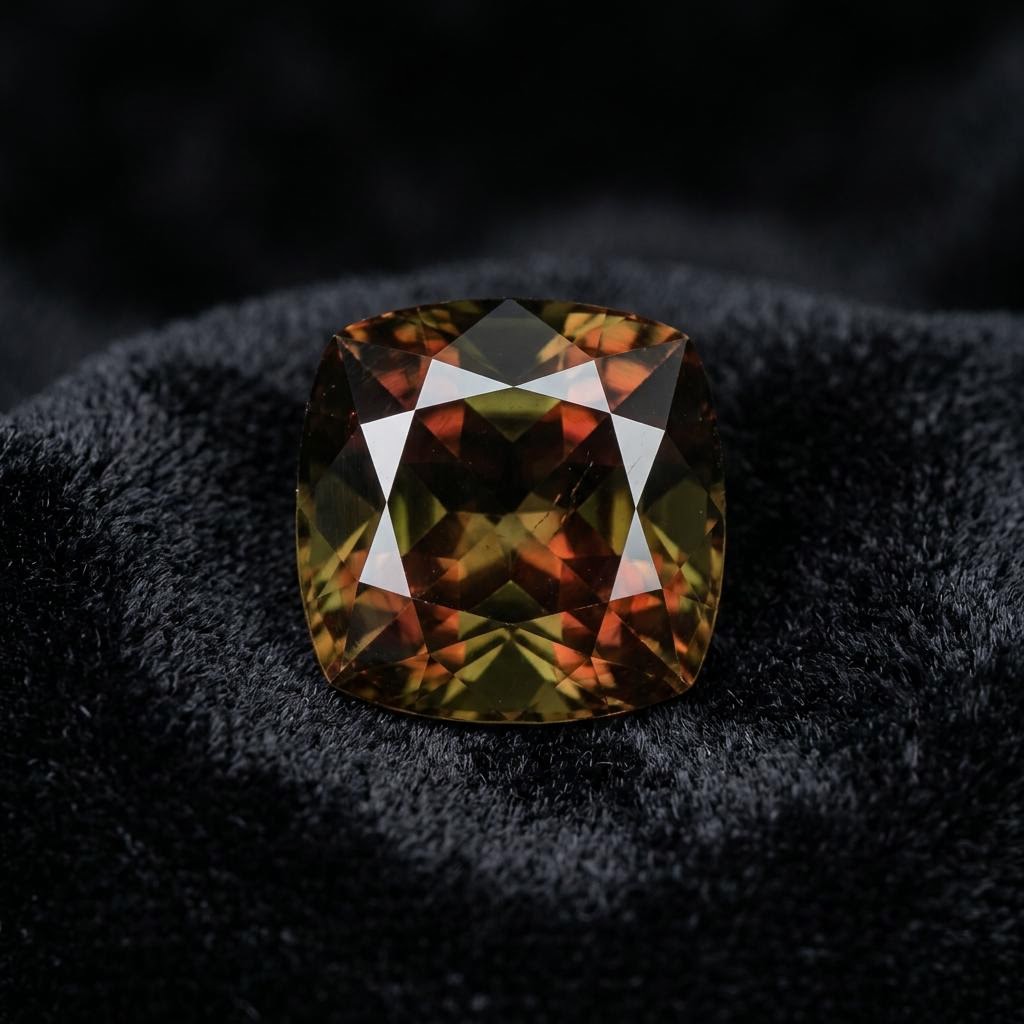
Andalusite
Semi-precious gemstone
Andalusite is a strongly pleochroic aluminum silicate that can show green, brown, gold, and reddish tones in one stone. Its characteristic cross-like color zoning is often visible in cushion and oval cuts.
Mohs hardness: 7.5
Read the Andalusite profile
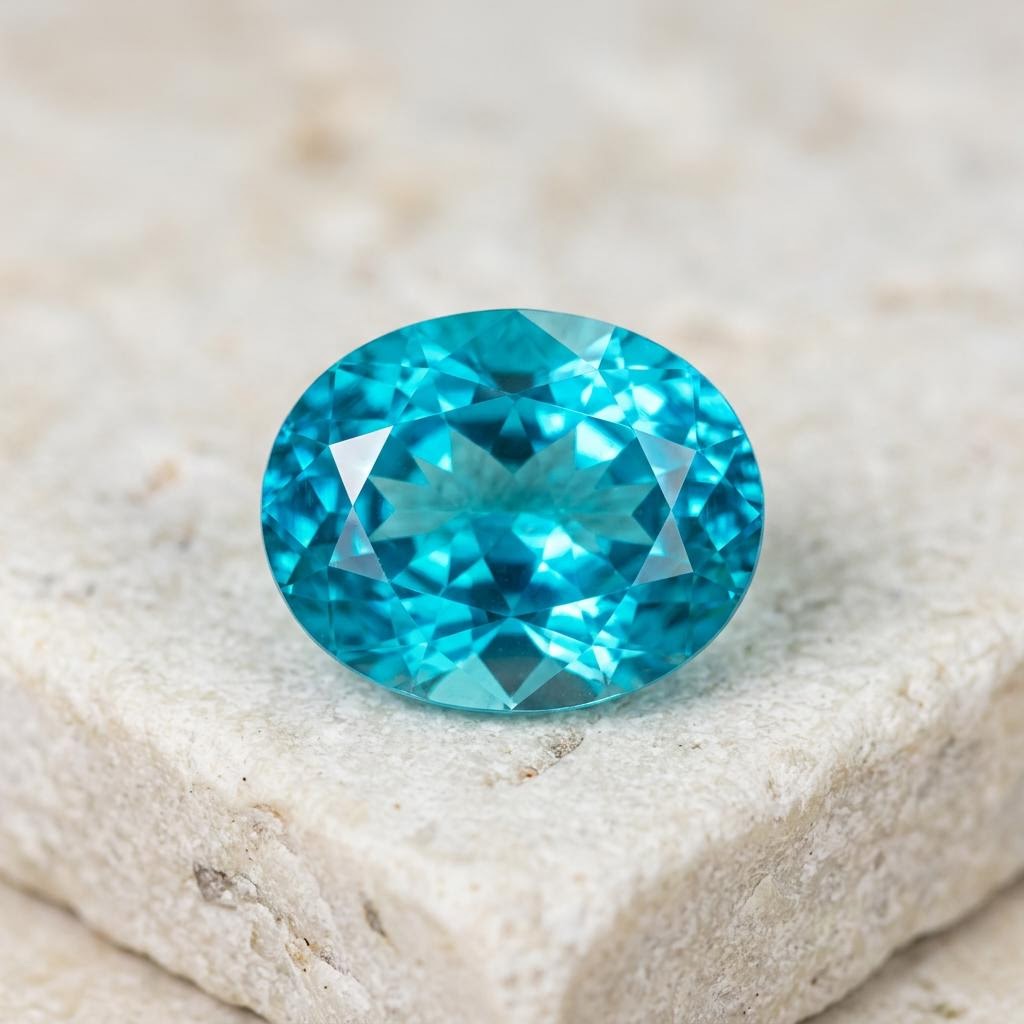
Apatite
Semi-precious gemstone
Apatite is a group of phosphate minerals that can produce vivid neon blue-green, yellow, green, and purple transparent gems. It is softer than most jewelry stones and is best used in protected settings.
Mohs hardness: 5
Read the Apatite profile
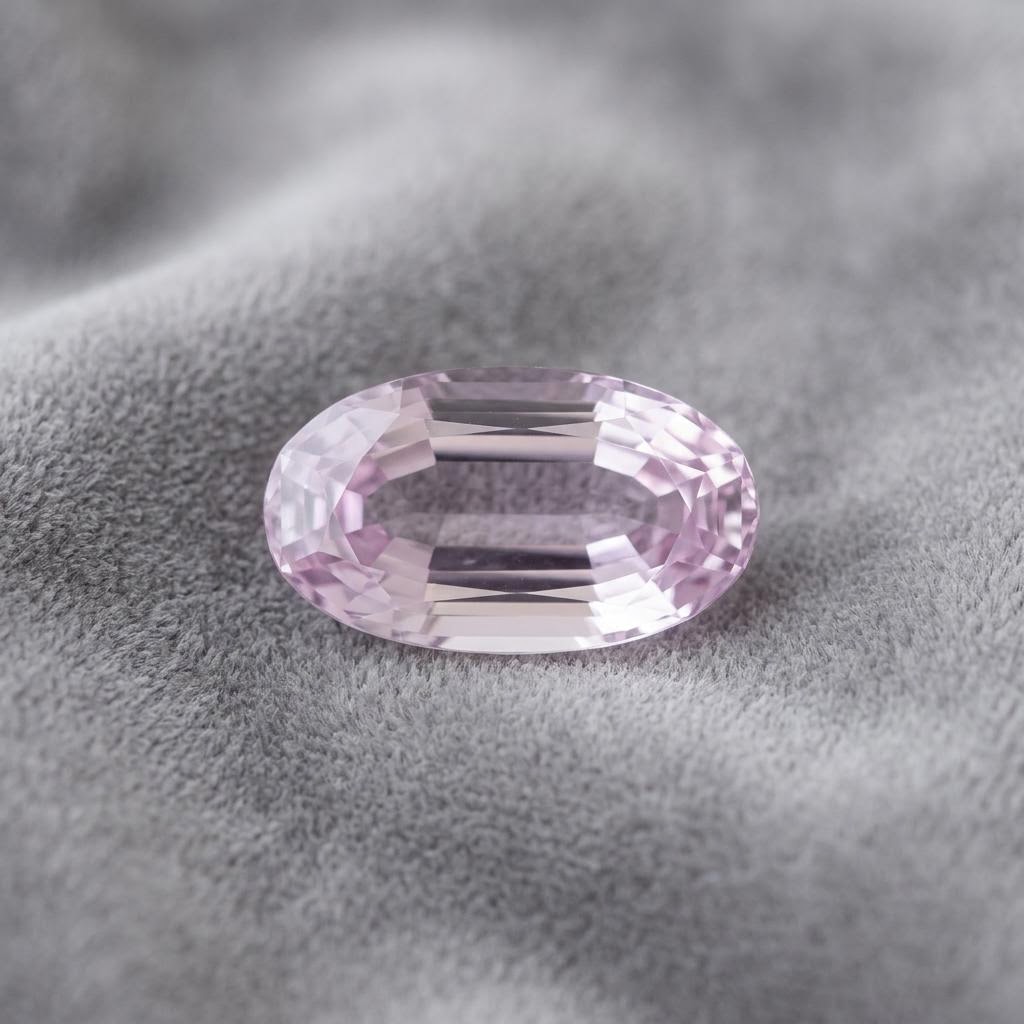
Kunzite
Semi-precious gemstone
Kunzite is the pink-to-lilac variety of spodumene. Its strong pleochroism and elongated crystal habit can produce graceful step or brilliant cuts, while prolonged intense light may affect some colors.
Mohs hardness: 6.5
Read the Kunzite profile
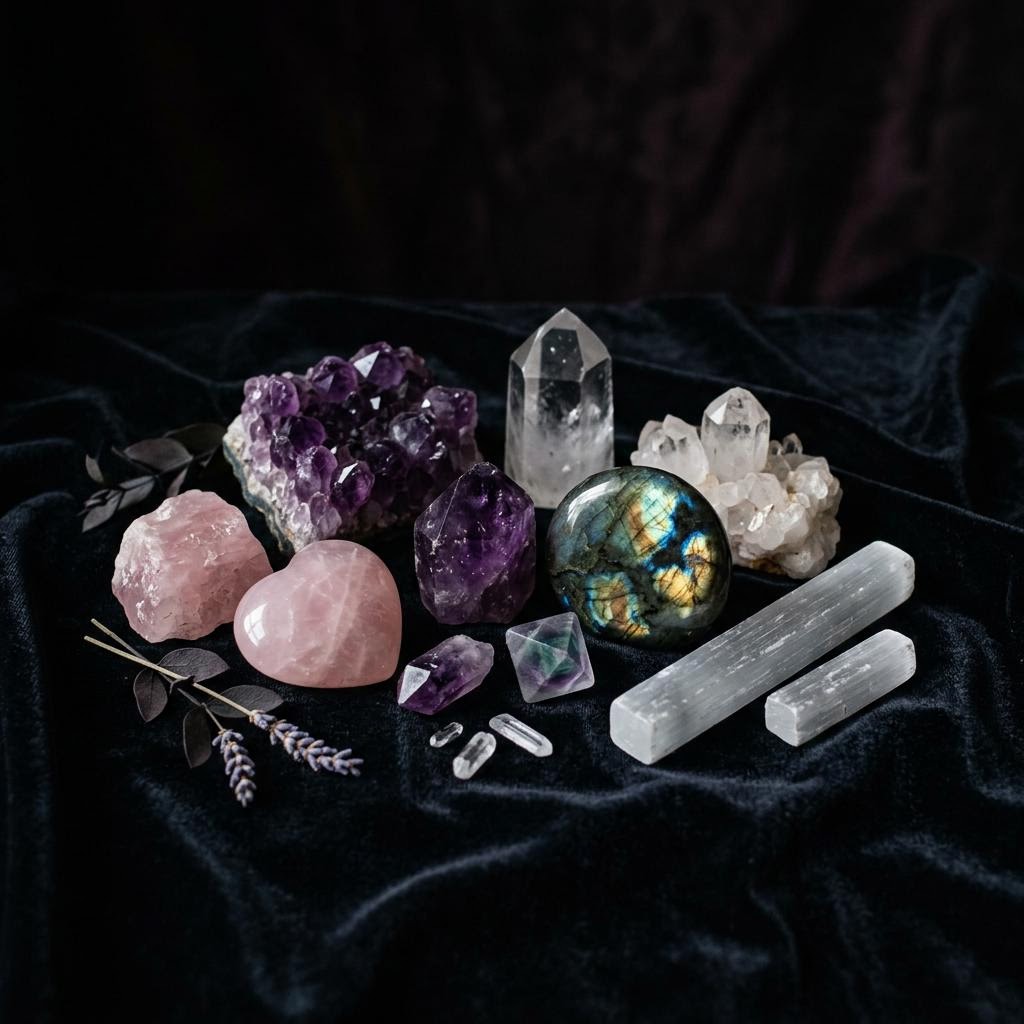
Jade
Semi-precious gemstone
Jade refers to two distinct but visually similar minerals: nephrite and jadeite. Known for its incredible toughness and smooth texture, jadeite offers vivid greens and lavenders, while nephrite provides deep, earthy greens and creamy whites.
Mohs hardness: 6
Read the Jade profile
Pearl
Semi-precious gemstone
Pearls are organic gems created by mollusks depositing layers of nacre around an irritant. Whether natural or cultured, their luster and natural beauty require no cutting or polishing.
Mohs hardness: 2.5
Read the Pearl profile