Japan
The birthplace of modern pearl culturing and primary source of Akoya pearls.
Semi-Precious gemstone profile
The Organic Gem of the Sea
Pearls are organic gems created by mollusks depositing layers of nacre around an irritant. Whether natural or cultured, their luster and natural beauty require no cutting or polishing.
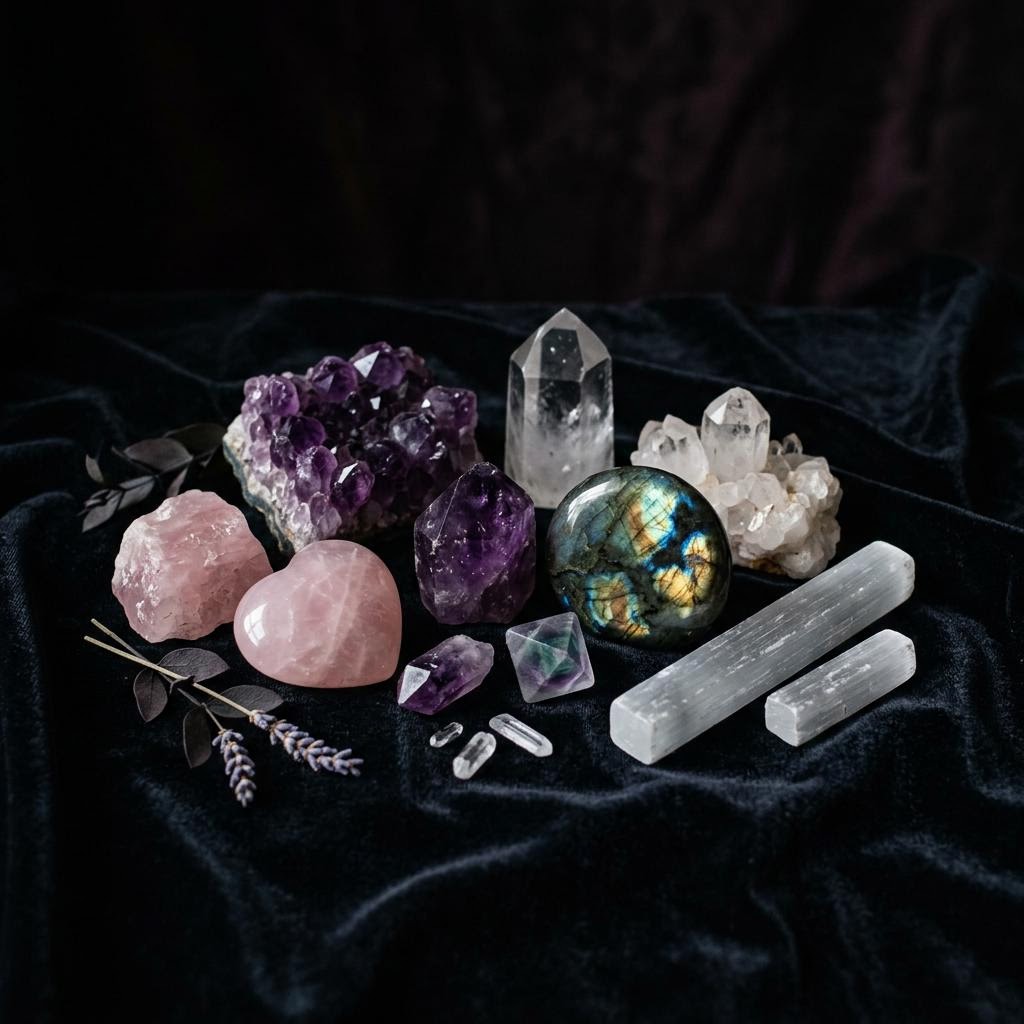
A practical field note on what Pearl is made of, how it forms, how light behaves inside it, and what professionals look for when identifying it.
Browse the plain-language gemstone glossary or learn how to read a lab report.
Representative source regions, not a map of every occurrence.
The birthplace of modern pearl culturing and primary source of Akoya pearls.
The primary source of naturally dark Tahitian pearls.
A major source of large, high-quality white and golden South Sea pearls.
Color is shaped by chemistry, structure, inclusions, and light. These are representative varieties—not a promise that every stone will show every shade.
The classic pearl color, typical of Akoya and many freshwater pearls.
Produced by the gold-lip South Sea oyster (Pinctada maxima).
Produced by the black-lip oyster (Pinctada margaritifera), often with green, purple, or blue overtones.
Gemstones have rich symbolic histories. The claims below are presented as folklore, cultural tradition, or modern pseudoscience—not as proven medical, psychological, or supernatural effects.
Historical lens
A historical association that made them a classic bridal choice.
Historical lens
Traditional symbolism dating back to ancient Rome and China.
Gemological properties can be measured and tested. Symbolic meaning is personal and cultural; crystals should never replace qualified medical or mental-health care.
Before the 1920s, all pearls were wild and incredibly rare. The invention of the pearl culturing process in Japan revolutionized the market, making pearls accessible to a broader audience while nearly eliminating the natural pearl trade.
Pearls have long symbolized purity, wisdom, and wealth. They are a classic bridal choice and carry deep historical associations with royalty across the globe. These associations are cultural or spiritual traditions, not scientifically demonstrated effects.
Cultural meanings and historical beliefs are included for context. They are not scientific evidence or medical advice.
Folklore and modern spiritual practices attach symbolic meanings to Pearl. Those beliefs are presented as cultural history, not as medical guidance or evidence of physical effects.
This section records cultural history and folklore. These stories are not scientific evidence or medical guidance.
Evaluate pearls based on luster (sharp reflections), surface quality (lack of blemishes), shape, and size. Because pearls are very soft and sensitive to chemicals, apply cosmetics and perfumes before putting them on.
Identity: Pearls are organic gems created by mollusks depositing layers of nacre. They can be natural (extremely rare) or cultured (human-assisted).
Color, Clarity & Cut: Evaluation depends on size, shape (round is typically highly sought), color, luster (sharp reflections), surface quality, and nacre thickness.
Treatments: Common treatments include bleaching, dyeing (especially 'black' freshwater pearls), and irradiation. Imitations (glass or plastic with pearl coating) are common.
Care & Wear: Very soft (Mohs 2.5-4) and sensitive. Put pearls on last (after cosmetics/perfume) and take them off first. Wipe with a damp cloth. Never use ultrasonic/steam cleaners or harsh chemicals.
Report Considerations: For a significant pearl purchase, a specialist laboratory report may help distinguish natural from cultured pearl and record detectable treatment or structure findings within the report's scope.
Browse our current, authentic collection of natural pearls on eBay.