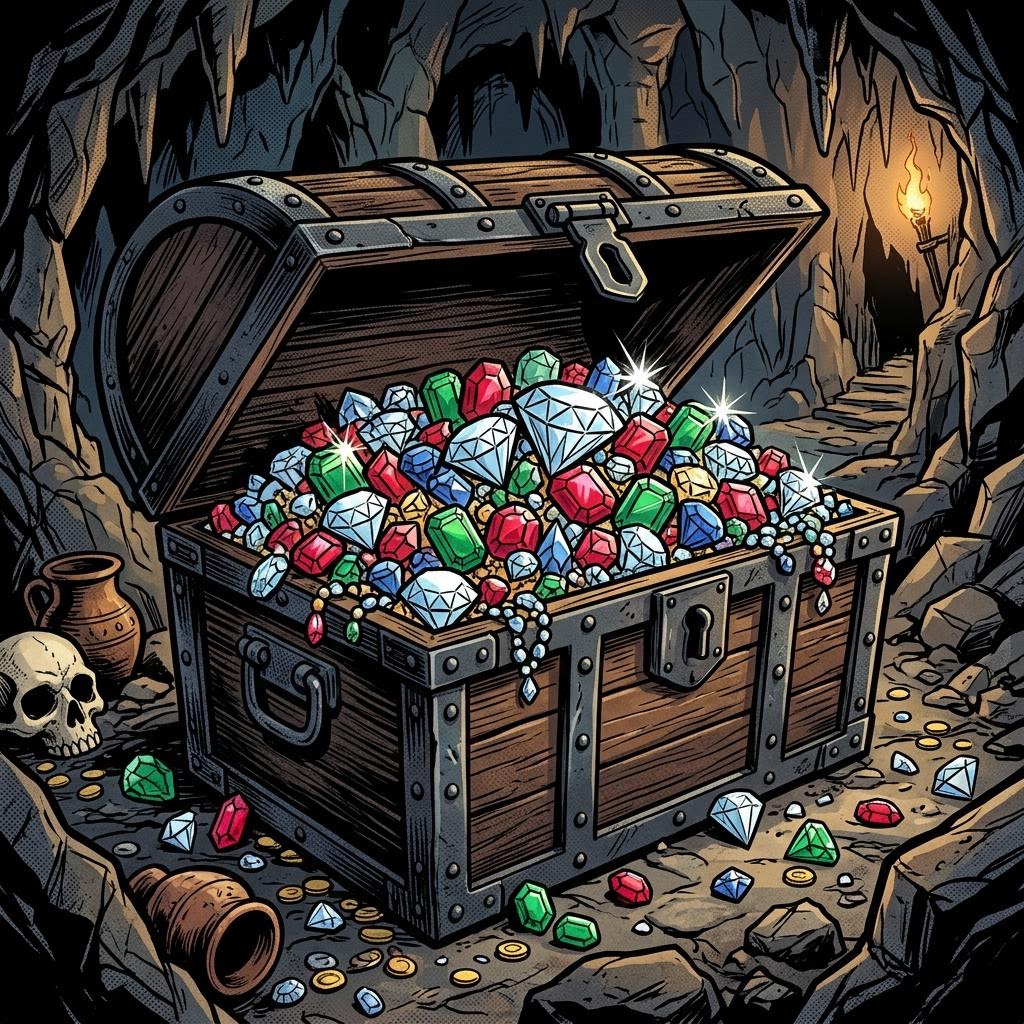
Discover the lore, properties, history, and buying considerations for the traditional Big Four—diamond, ruby, sapphire, and emerald—plus rare alexandrite.
What makes a gemstone "precious"?
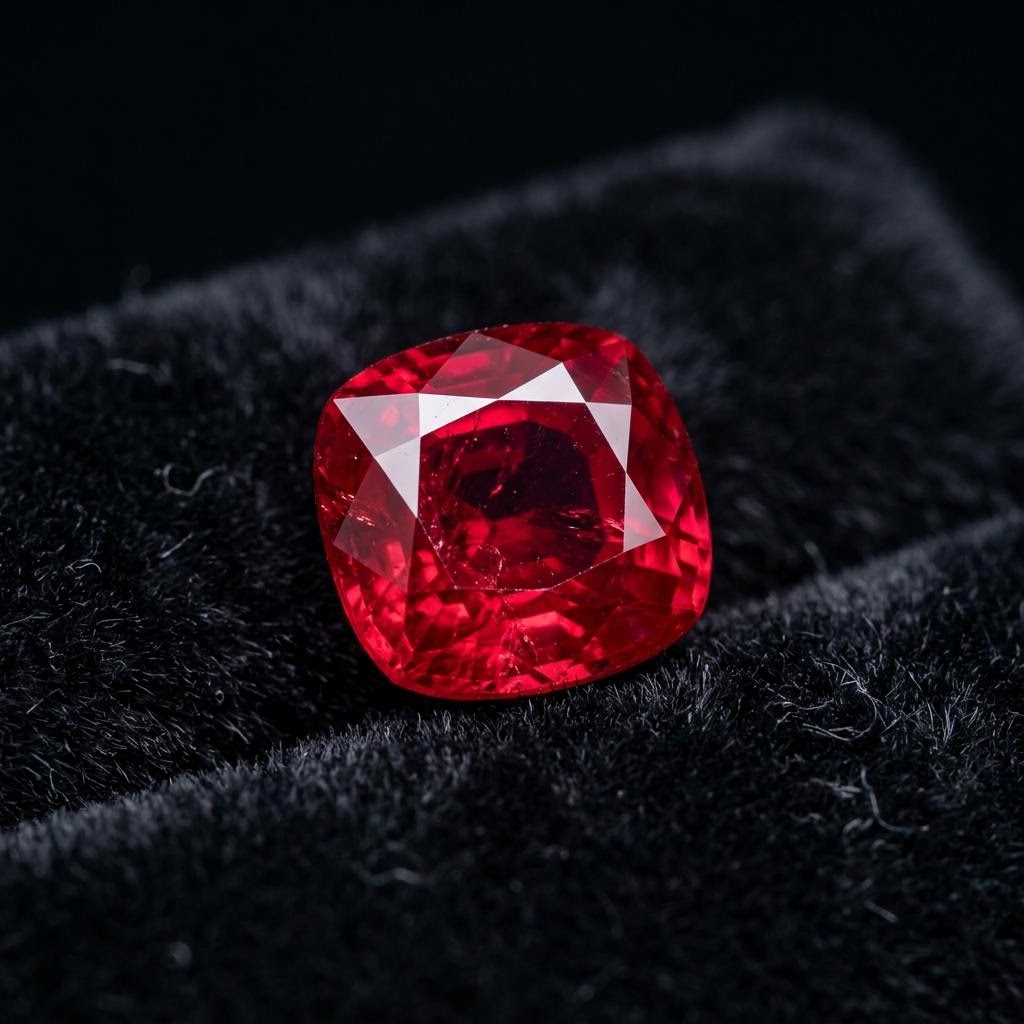
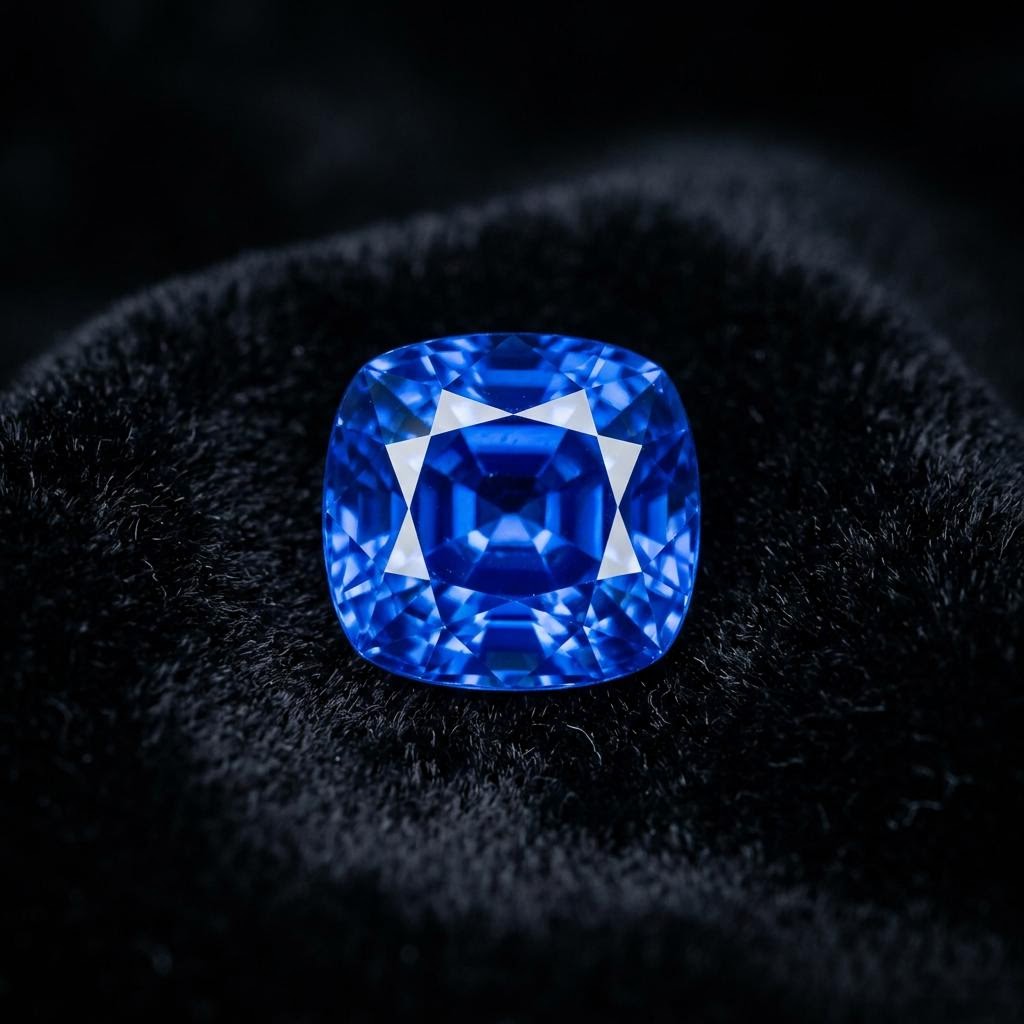
Historically, the term "precious" was reserved for the Big Four—diamond, ruby, sapphire, and emerald—because of their rarity, cultural significance, and hardness. Modern gemology also includes alexandrite in this elite class. The distinction is traditional rather than purely scientific.
Precious gemstone profiles
Compare each stone's measurable properties, history, traditional symbolism, and buying guidance.
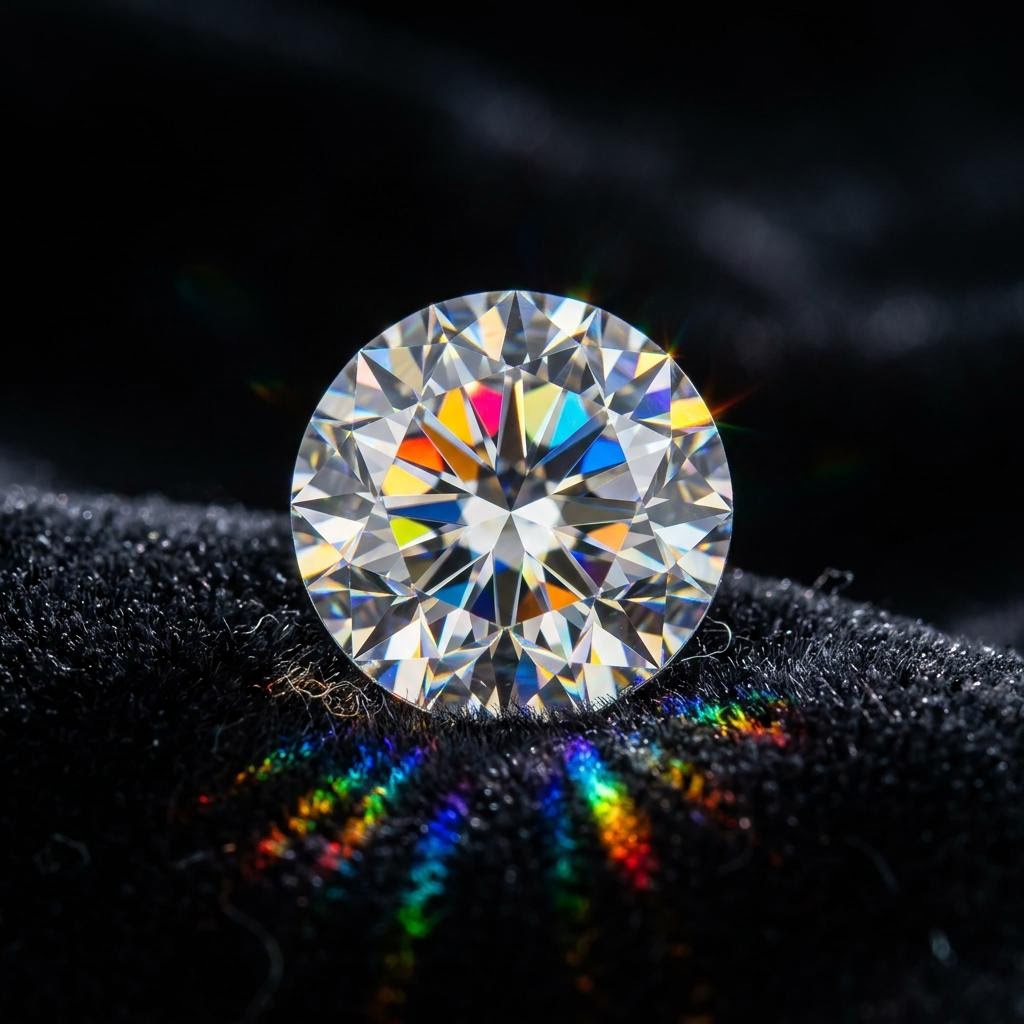
The hardest known natural material on Earth, composed of pure carbon. Evaluated by the 4Cs: Cut, Color, Clarity, and Carat weight. The ultimate symbol of endurance and eternal love.
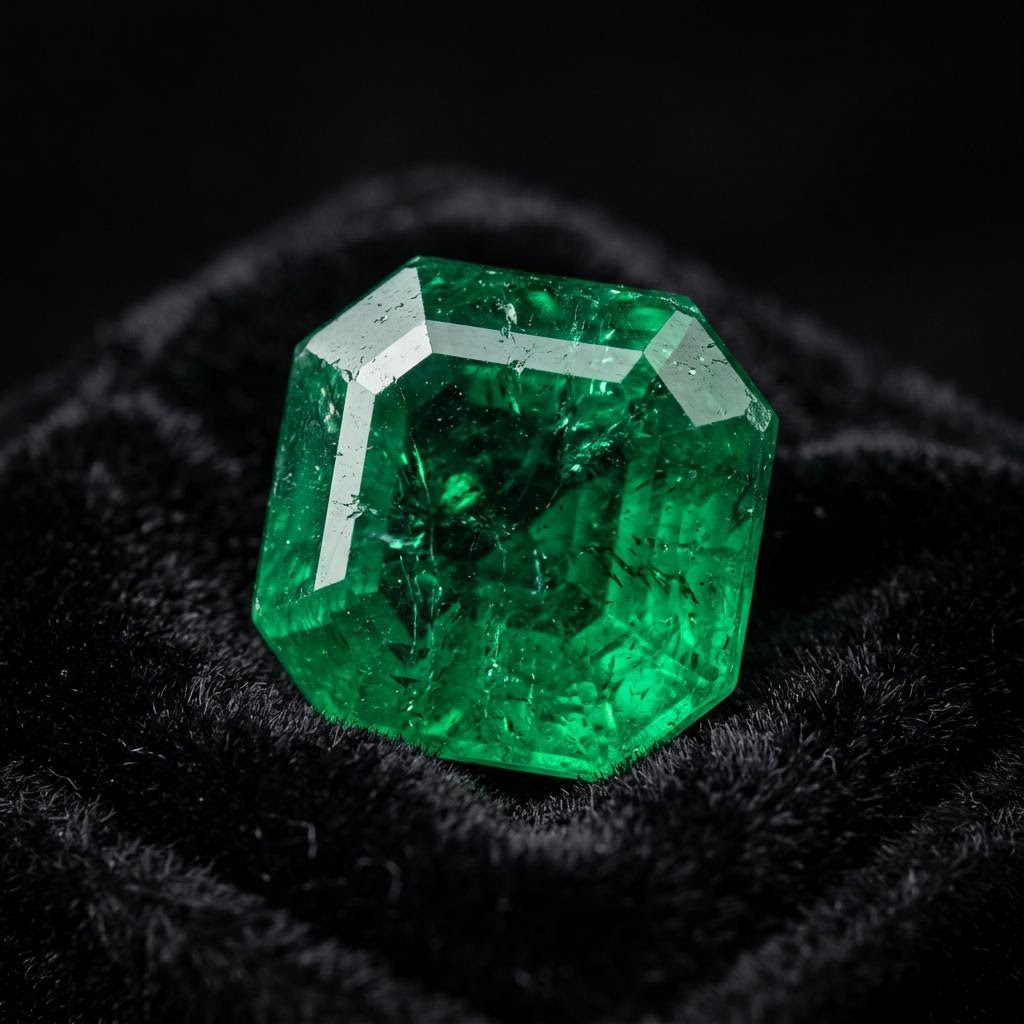
The green variety of the beryl family. Famous for internal characteristics known as 'jardin' (garden). Colombian emeralds are known for pure green hues.
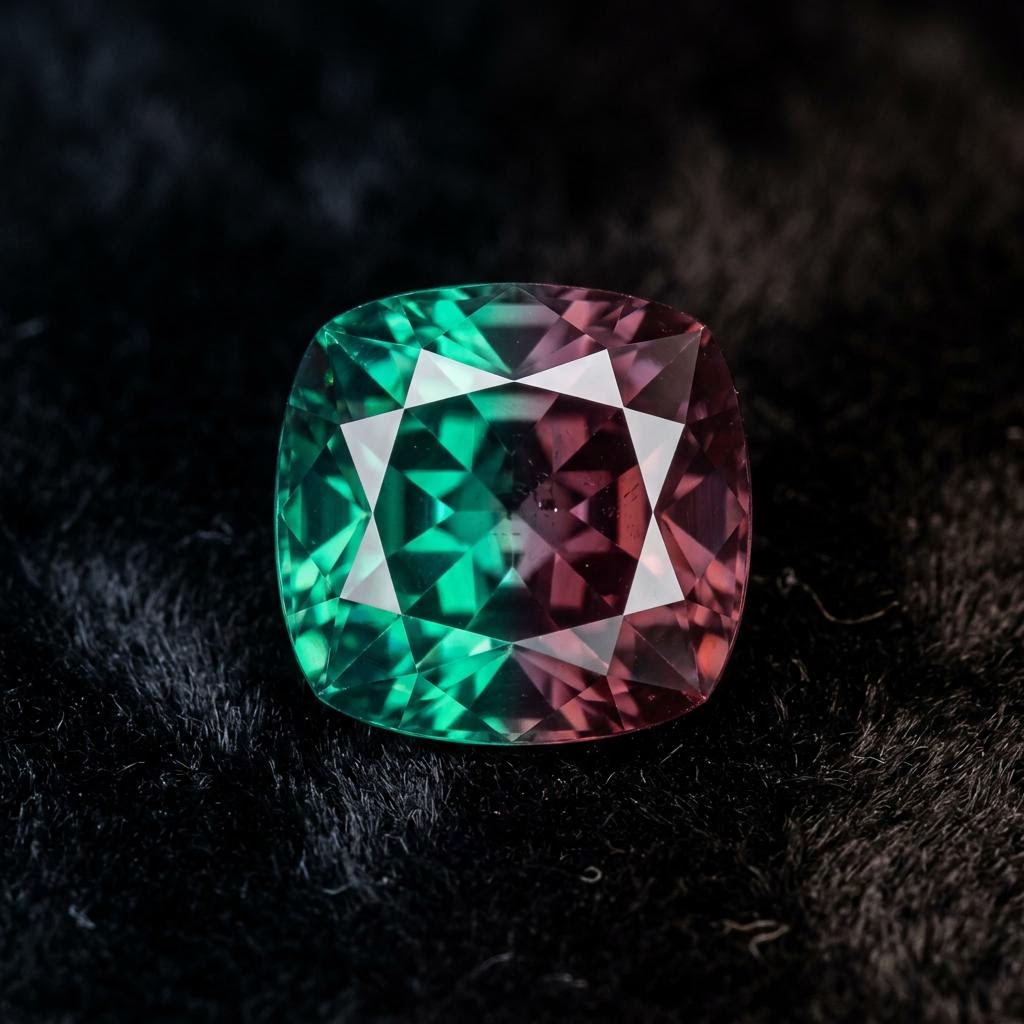
Alexandrite is the chameleon of the gem world—vivid green in daylight, dramatic red or purple-red under incandescent light. This color change, caused by chromium in chrysoberyl, is so remarkable that gemologists describe fine specimens as 'emerald by day, ruby by night.'