Explore the documented histories and enduring legends of some of the world's most famous gemstones.
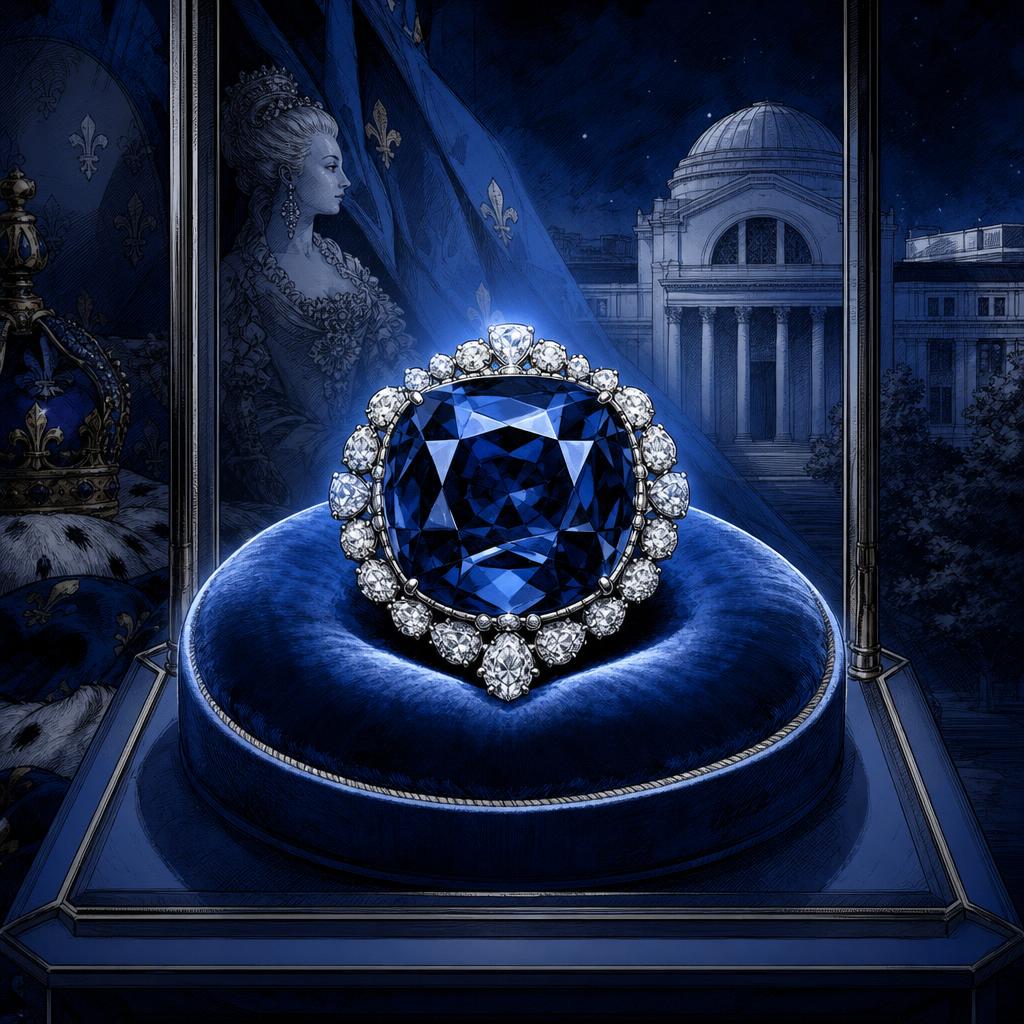
Smithsonian Institution, Washington D.C. · 45.52 ct
Hope Diamond
A legendary fancy dark grayish-blue diamond, surrounded by tales of a deadly curse.
Suspected origin: Tavernier Blue from Kollur Mine, India (1666). Stolen from Hindu idol myth, sold to Louis XIV, recut 1673, stolen during French Revolution, resurfaced 1812, bought by Henry Philip Hope 1839, eventually donated to Smithsonian by Harry Winston 1958. "Curse" stories largely invented by jeweler Cartier to drive up mystique/price.
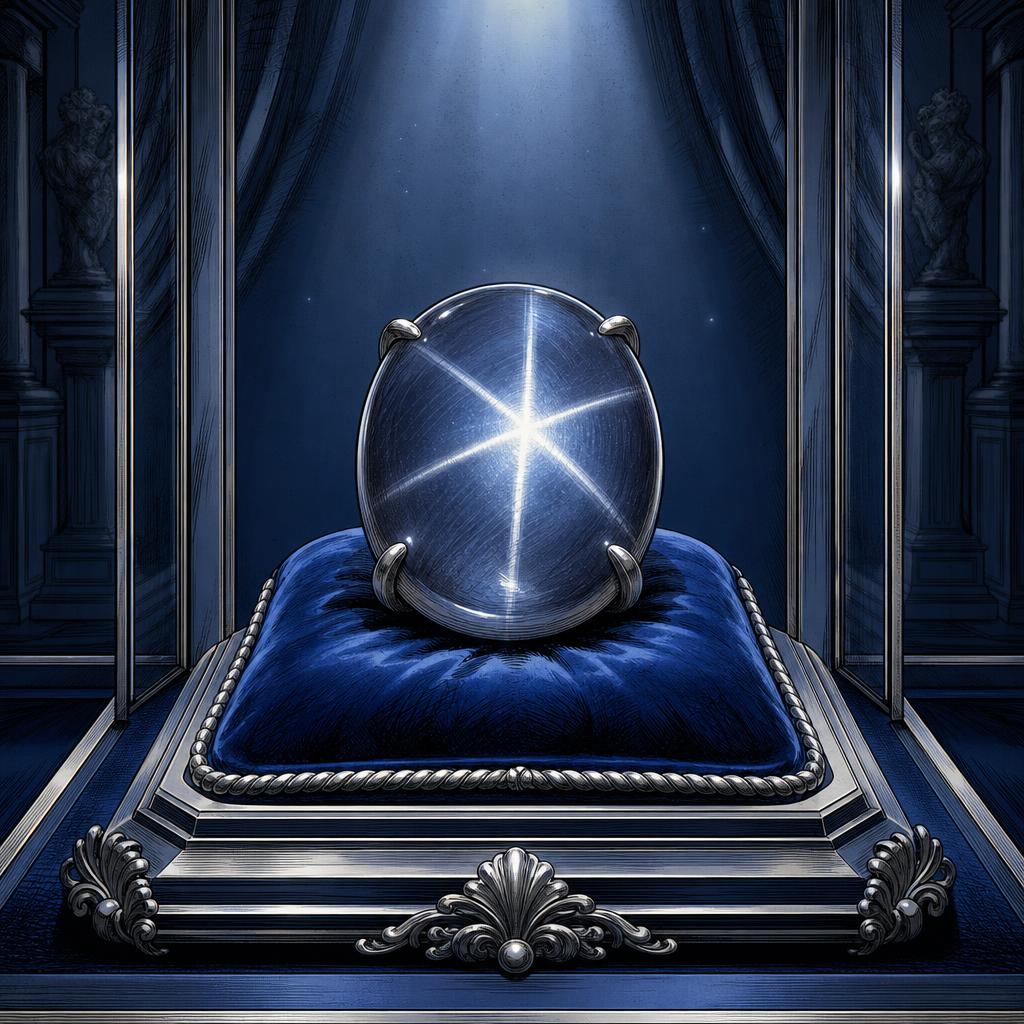
American Museum of Natural History, New York · 563.35 ct
Star of India
One of the largest gem-quality blue star sapphires in the world.
From Sri Lanka, roughly 300 years old. Donated by J.P. Morgan 1900. Stolen in "Murph the Surf" theft of 1964 (one of most brazen museum heists) and recovered 2 days later in a Miami bus station locker.
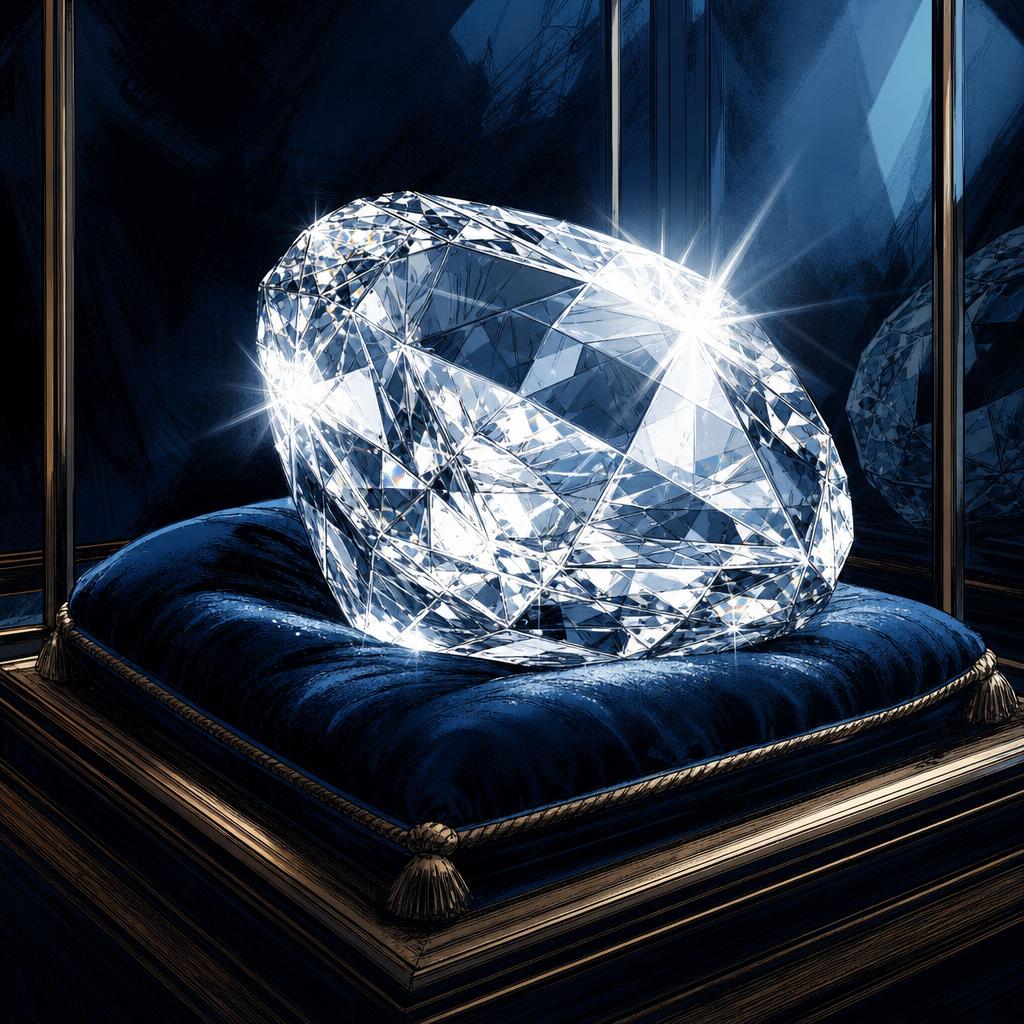
British Crown Jewels, Tower of London · 3,106.75 ct (rough)
Cullinan Diamond
The largest gem-quality rough diamond ever found.
Found Premier Mine, South Africa, 1905. Cut into 9 major + 96 minor stones. Cullinan I (530 ct) is the largest colorless cut diamond in existence, set in the Sovereign's Sceptre (British Crown Jewels). Cullinan II set in the Imperial State Crown.
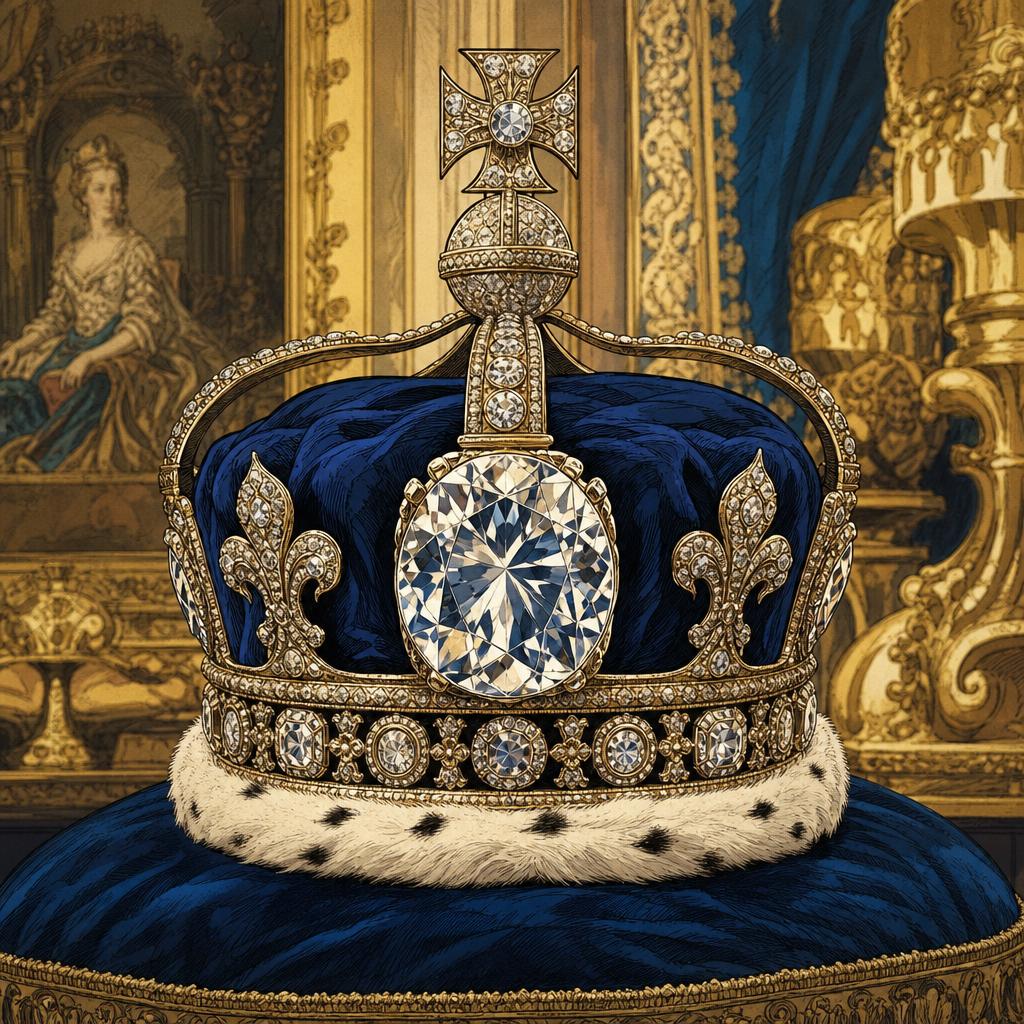
British Crown Jewels, Tower of London · 105.6 ct
Koh-i-Noor
The most controversial gem in the world, translating to 'Mountain of Light'.
Originally ~793 ct rough. Mined Kollur, India, circa 1100 CE. Passed through Mughal, Safavid Persian, Afghan, and Sikh empires via wars and conquest. Acquired by British East India Company 1849 from the 10-year-old Maharaja Duleep Singh. Set in Queen Mother's Crown. India, Pakistan, Iran, and Afghanistan all claim rightful ownership.
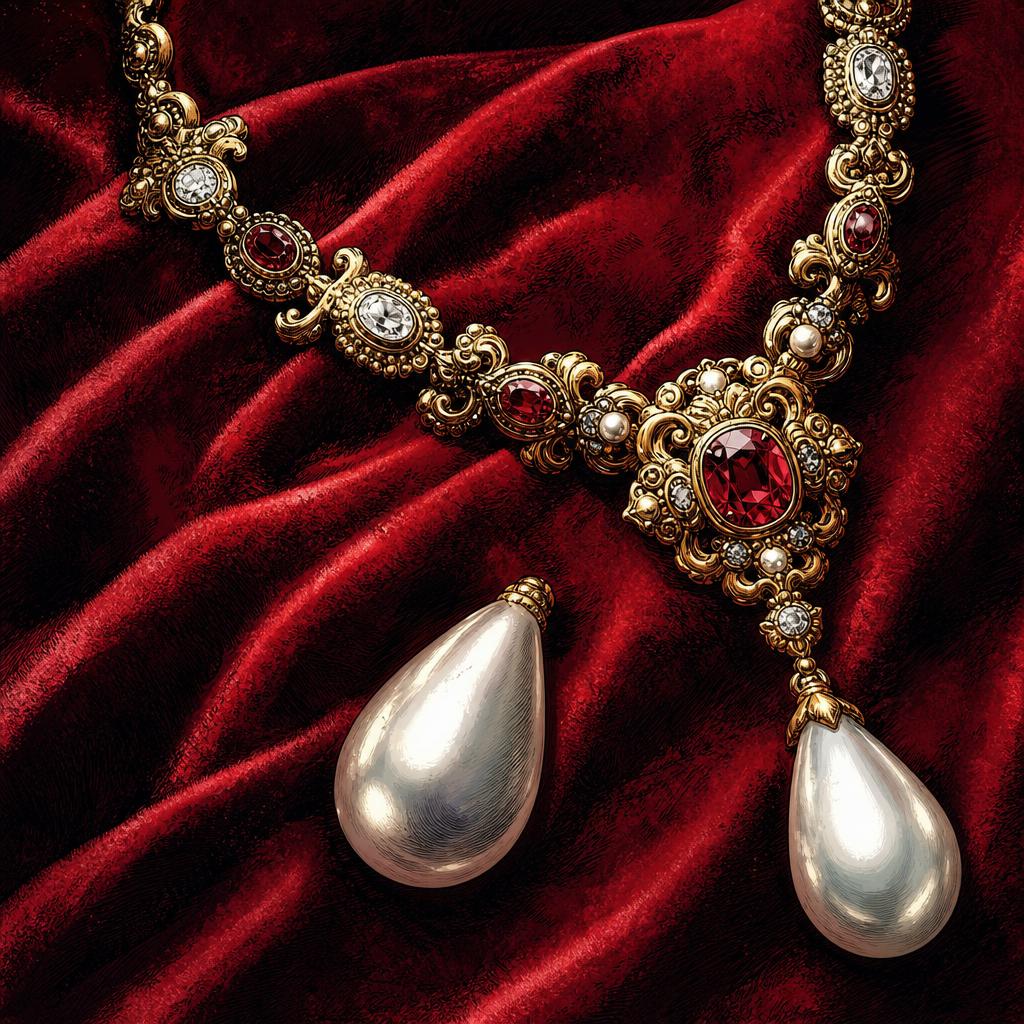
Private Collection · 55.95 ct
La Peregrina Pearl
One of the most famous pearls in the world, with a 500-year history.
A pear-shaped natural pearl from Panama, discovered 1513 by a slave who was freed as reward. Owned by Mary I of England, multiple Spanish queens, Napoleon III's wife Josephine, and finally Elizabeth Taylor (who bought it at auction for $37,000 in 1969; Sotheby's sold it in 2011 for $11.8 million after her death).
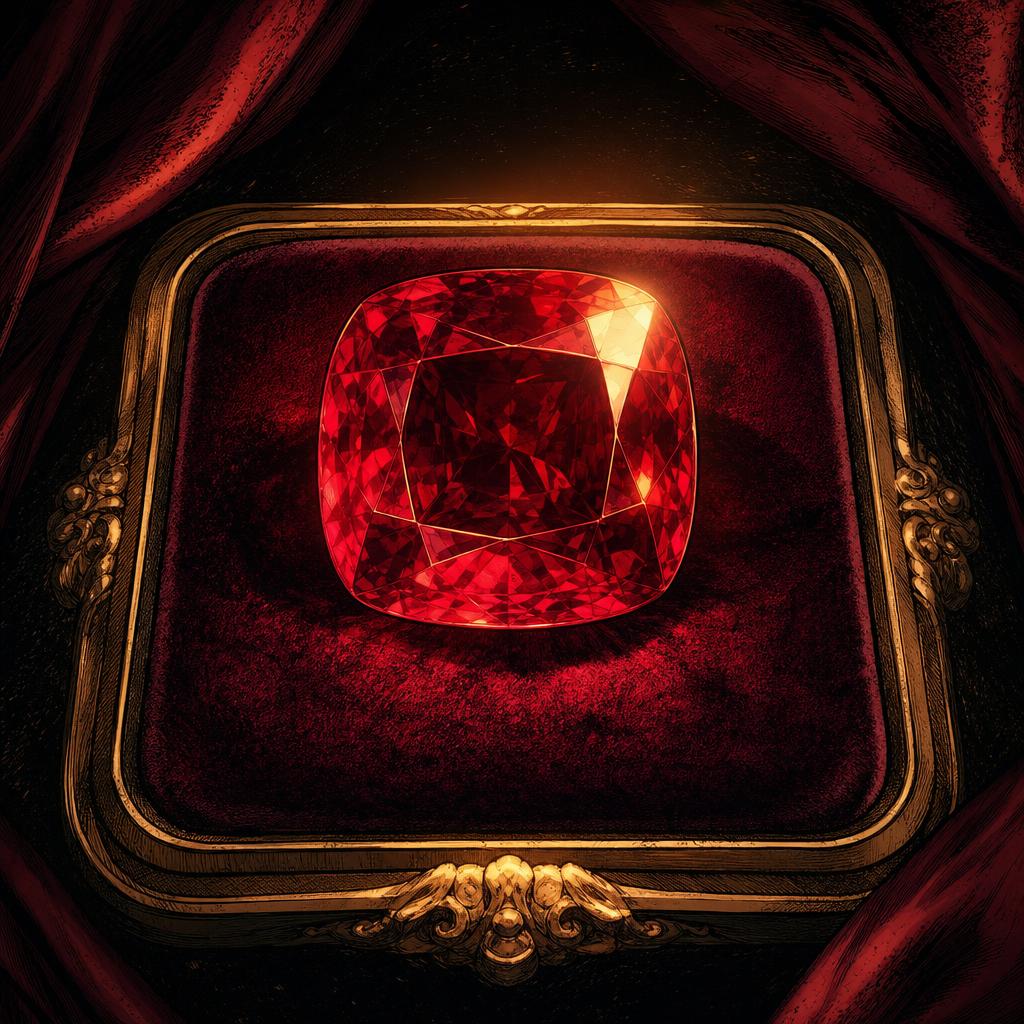
Private Collection · 25.59 ct
Sunrise Ruby
The world's most expensive ruby and most expensive colored gemstone.
Burmese pigeon-blood unheated ruby. Sold at Sotheby's Geneva 2015 for $30.42 million ($1.27M per carat)—the world record for any colored gemstone per carat and for ruby total price. Named after a Rumi poem.
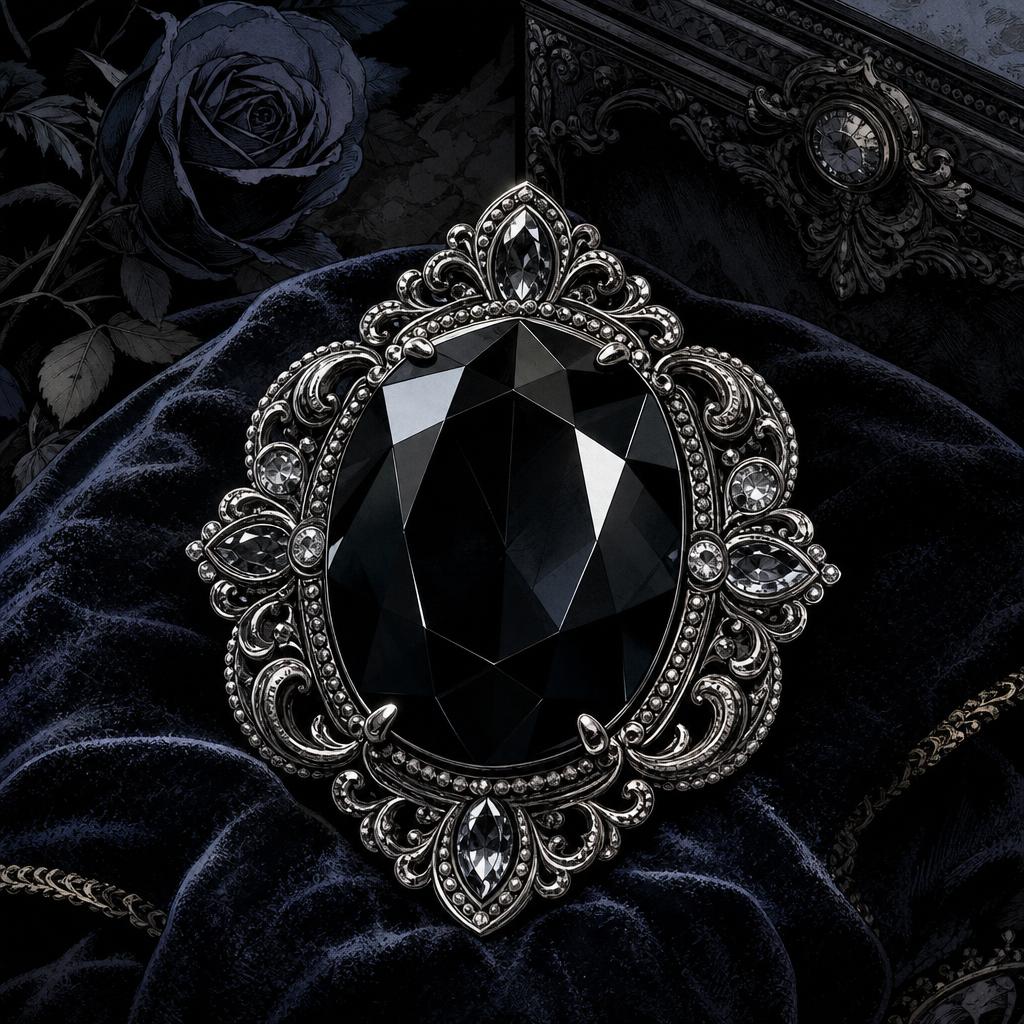
Private Collection · 67.50 ct
The Black Orlov
A cushion-cut black diamond with a dark and mysterious legend.
Originally 195 ct rough, allegedly stolen from the eye of a Hindu idol of Brahma in southern India. Said to carry a curse—three successive owners allegedly committed suicide. Cut into three pieces in 1950 to break the curse. Currently owned by a private collector.
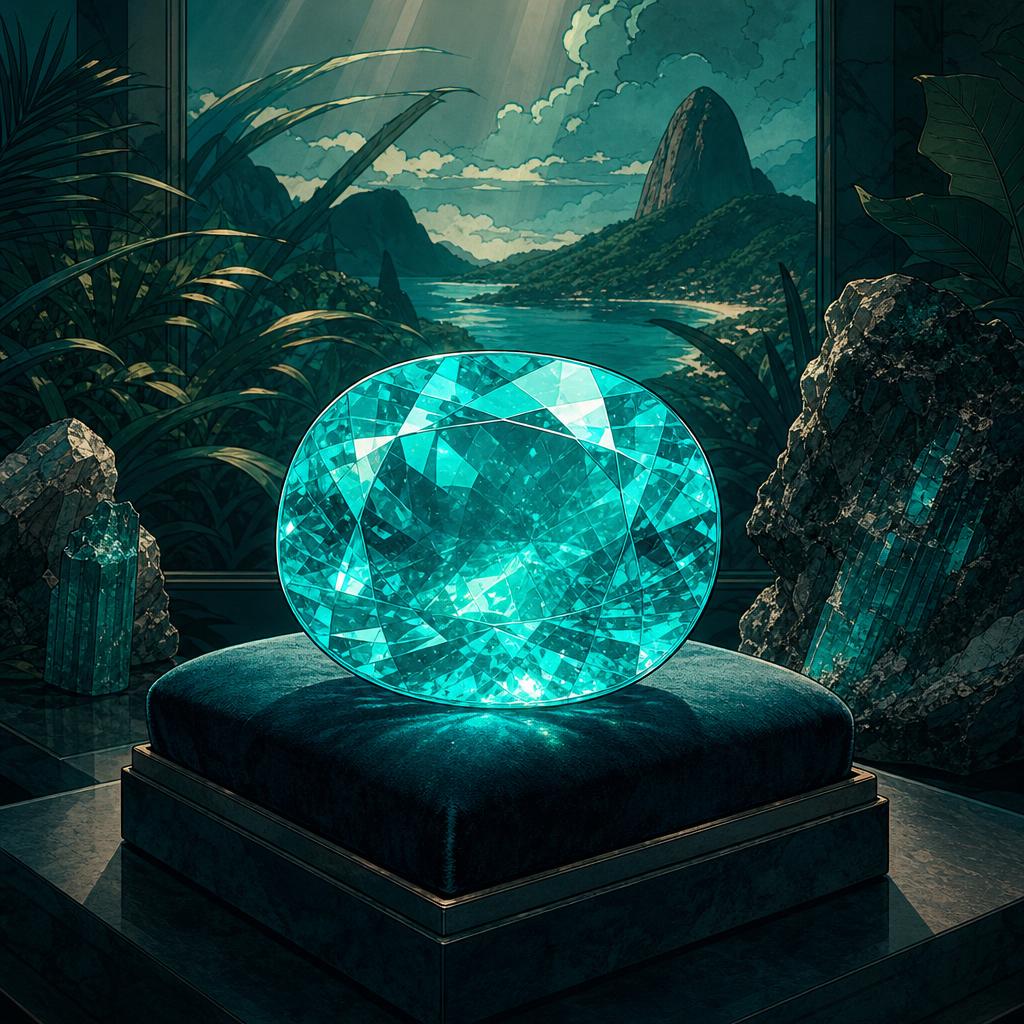
Various Collections · Varies
The Original Paraíba Tourmaline
The discovery that shocked the gem world in 1989.
Discovered by Heitor Dimas Barbosa in 1989 after 5 years of digging by hand in Paraíba, Brazil. The neon blue-green "electric" color caused by copper (unique in tourmalines) was so extraordinary that the discovery was a sensation. Today Paraíba tourmalines sell for up to $50,000 per carat—more than 10,000× rarer than diamonds per carat weight at top quality.